Thinking about putting down roots in Jacksonville, North Carolina? You are not alone. Many buyers and renters look here for a practical mix of coastal living, military-supportive services, and a down-to-earth lifestyle. If you want beach access without resort-town price tags, a family-friendly pace, and a strong sense of community, Jacksonville could be a great fit. In this guide, you will learn what daily life feels like, how housing and neighborhoods differ, what to expect for commuting and services, and smart tips for both military and civilian households. Let’s dive in.
Jacksonville’s vibe
Jacksonville blends a coastal mindset with a strong military heartbeat. The city’s rhythm often follows base schedules, and local businesses know how to serve active-duty personnel, families, and civilian workers. You will find a mix of suburban neighborhoods, pockets of older downtown blocks, and newer subdivisions that keep growing.
The climate is humid subtropical. Summers are hot and humid, winters are generally mild, and hurricane season is a fact of life. Many households keep a simple storm plan and stay on top of routine maintenance like roofs, gutters, and yard drainage.
If you are looking for nightlife like a large city or robust public transit, you may find choices limited. If you want easy access to beaches and water, a practical cost of living compared with resort towns, and a community where service members and civilians live side by side, Jacksonville delivers.
Housing and neighborhoods
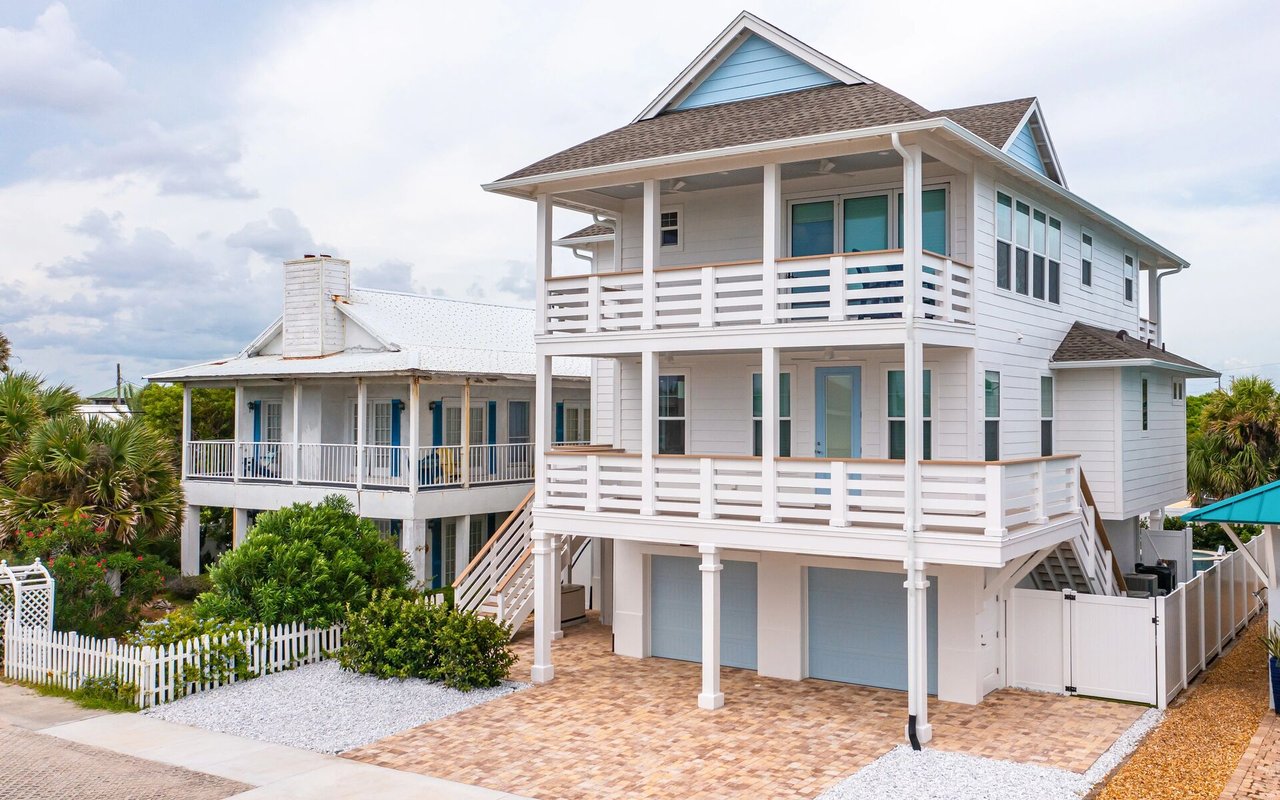
Single-family homes are the backbone of Jacksonville’s housing stock. You will see single-story ranches, traditional two-story plans, split-levels in older areas, and lots of newer tract homes in HOA communities. Some pockets include manufactured or modular homes. Townhomes and apartments round out options for renters and buyers who prefer lower maintenance.
Rental demand is steady due to PCS cycles, so you will find a healthy mix of short-term and longer-term lease options. Many long-term civilian households choose to buy, while military households often rent during their assignment or buy with resale timing in mind.
Here is how major neighborhood types tend to feel:
- Downtown Jacksonville and the historic core: Smaller lots, mature trees, and a compact grid close to civic amenities. Walkability is better here than in most suburban areas.
- Near-base neighborhoods: Popular with military households who want quick access to gates and services. Expect more rentals and a practical, come-and-go rhythm tied to rotation schedules.
- Suburban subdivisions: Newer homes, HOA rules, sidewalks, and community play spaces are common. These areas often appeal to buyers who want a newer build and a neighborhood setting.
- Coastal-adjacent towns within commuting range: Sneads Ferry, Holly Ridge, Surf City, and Richlands offer lifestyle tradeoffs. Beach towns offer water access and a laid-back feel, while inland spots may provide larger lots and a quieter pace. Many buyers choose between beach convenience and city proximity based on commute and budget.
Wherever you look, keep flood and storm exposure in mind. If you are considering a home near waterways or low-lying areas, verify flood zones and talk with your insurance agent about wind and flood coverage.
Getting around
Jacksonville is a driving-first area. Most people commute by car, and traffic near base gates can build during shift changes. Plan your morning and afternoon runs with a little cushion during school and gate rush hours.
Public transit options are limited compared with larger metro areas. Biking and walking are feasible in downtown and select neighborhoods, but suburbs are designed around cars. For weekend fun, many residents take short drives to area beaches and nearby towns for dining and errands.
Schools and education
Most Jacksonville addresses fall under Onslow County Schools. Families with military ties may also consider DoD Education options if eligible. Because school boundary maps can change, it is smart to confirm assignments for any specific property and to review program offerings that matter to you.
Private and parochial schools are available in the region, and local continuing-education programs support workforce training and career changes. The best fit depends on your priorities, commute, and the neighborhood you choose.
Health care and essential services
You will find access to regional hospitals, urgent care centers, and clinics for primary and specialty care. Eligible military families can use on-base facilities and programs. During hurricane season, keep your household emergency plan current and know evacuation routes.
Utilities and services are straightforward in most neighborhoods. Electricity, water and sewer, trash, and major internet providers are available in the city and many subdivisions. Outlying areas may have different options, so verify service availability for any property you are considering.
Recreation and weekend life
Outdoor life is a highlight. Beaches, estuaries, and rivers invite regular trips to fish, boat, kayak, paddleboard, or just relax by the water. Hunting and freshwater fishing are part of the culture in rural parts of Onslow County.
Parks and recreation programs support youth leagues, adult sports, playgrounds, and fitness classes. Community events, fairs, farmers markets, and military-supported family activities fill the calendar. Dining is a mix of local seafood spots, Southern favorites, and familiar national chains. Nightlife is modest, but you will not run out of casual places to meet friends.
Military impact and the local economy
Military installations are central to the local economy and community life. Decisions at the federal level can influence hiring, retail patterns, and rental demand. Civilian sectors such as health care, education, retail, construction, logistics, and defense contracting offer additional employment pathways.
PCS cycles shape the housing market. Landlords plan for seasonal demand, and buyers often face more competition at peak move times. Furnished rentals and flexible lease terms are common. If you are buying with a shorter time horizon, think about resale and tenant appeal from day one.
Weather, insurance, and property condition
Coastal weather brings both beauty and risk. Along with routine home maintenance, plan for hurricane season by securing wind and flood coverage as needed for your location. If you are shopping near tidal waterways or the ocean, check flood maps and talk through risk and coverage with your insurance advisor.
In older homes, watch for roof age, moisture control, and HVAC performance. Elevated foundations, window integrity, and proper grading can make a big difference in comfort and upkeep costs.
Smart tips for buyers and renters
Use these practical pointers to save time and stress:
For military buyers
- Align your search with PCS orders and report dates.
- Work with VA-experienced lenders and ask about timelines for appraisal and closing.
- Consider neighborhoods with straightforward commutes to your usual gate.
- Think ahead to resale or rental demand when your orders change.
For civilian buyers
- Get clarity on flood insurance needs for any home you shortlist.
- Drive the commute at your typical hours to gauge real travel time.
- Consider how military cycles can support long-term resale demand.
- If you want newer construction, compare HOA rules and fees across subdivisions.
For renters
- Start early near peak PCS seasons when demand increases.
- Ask about lease flexibility, pet policies, and furnished options if needed.
- Verify parking, commute routes, and noise levels at different times of day.
For sellers
- Stage for broad appeal with simple layouts and neutral finishes.
- Highlight practical features that matter to both military renters and civilian families, such as storage, easy-care yards, and proximity to daily needs.
- Prepare for inspection items common in coastal climates, including roof, windows, and moisture control.
Is Jacksonville right for you?
Use this quick checklist to weigh fit:
- You want a coastal lifestyle with practical pricing compared with resort towns.
- You value a community attuned to military families and rotating assignments.
- You are comfortable driving as your primary mode of transportation.
- You enjoy outdoor recreation like fishing, boating, and beach time.
- You are prepared for hurricane season with a basic plan and proper insurance.
If you check most of these boxes, Jacksonville is worth a closer look.
How a local guide helps
Choosing the right neighborhood comes down to your commute, school plans, budget, and lifestyle. A local, client-first advisor can help you compare subdivisions, confirm utility and insurance details, and time your move around PCS or work schedules. If you are weighing city convenience against beach access, or you want to understand flood exposure street by street, having a neighborhood specialist on your side makes the process faster and more confident.
Ready to explore homes, compare neighborhoods, or plan a PCS timeline? Connect with Alexis Allen for local guidance that blends neighborhood expertise with smooth, step-by-step service.
FAQs
Is Jacksonville, NC a good fit for military families?
- Yes. The area offers quick access to bases, a strong rental market, and community services that support active-duty personnel and dependents.
How close are the beaches to Jacksonville, NC?
- Beaches are a short drive away, and many residents plan regular weekend trips for swimming, surfing, fishing, or boating.
What is the cost of living and housing like?
- Many buyers find Jacksonville more affordable than nearby resort towns, with a wide mix of single-family homes, townhomes, and rentals to fit different budgets.
How is the commute in Jacksonville, NC?
- Most people drive. Expect heavier traffic near base gates during shift changes and around schools during drop-off and pickup.
What school options are available?
- Most addresses are served by Onslow County Schools, and eligible military families may have access to DoD Education options; always confirm current school assignments for a specific home.
What about hurricanes and flood risk?
- Coastal weather is part of life here. Check flood maps for any property, discuss wind and flood insurance needs, and keep a simple hurricane plan during storm season.