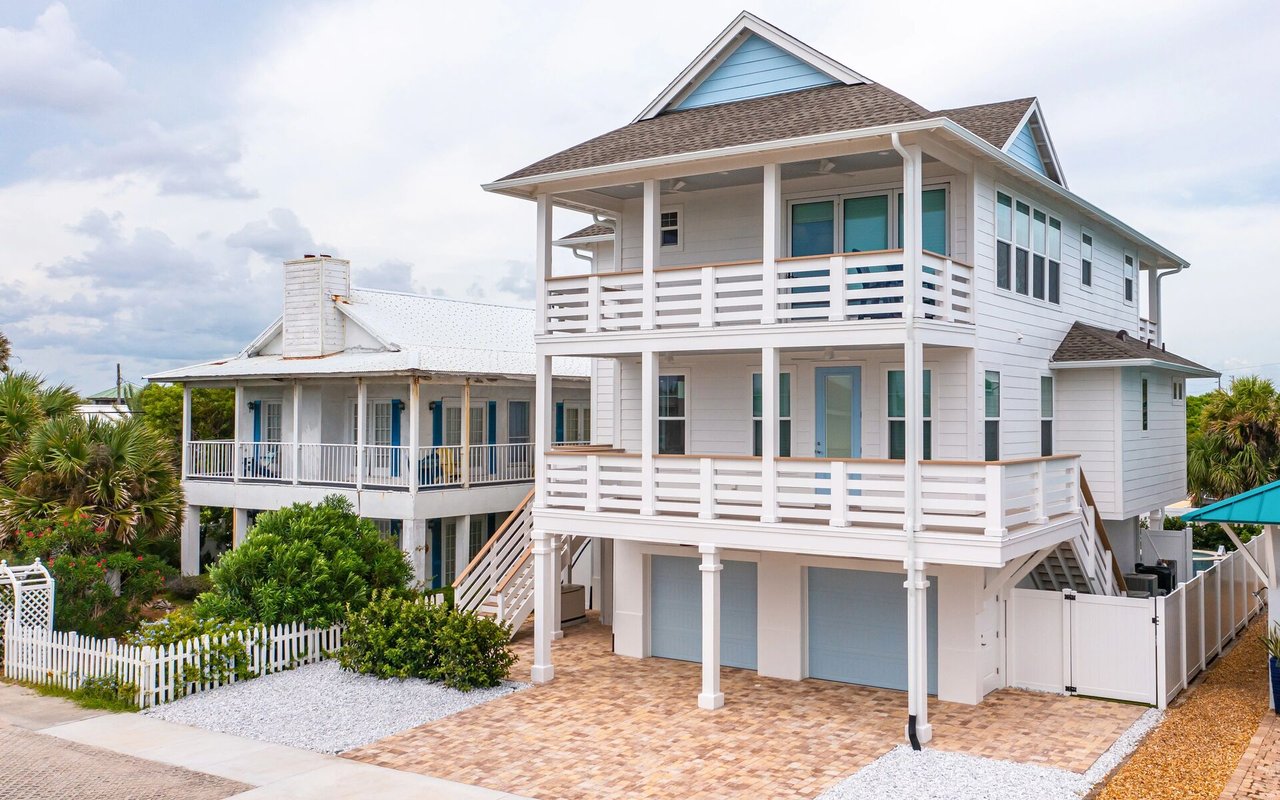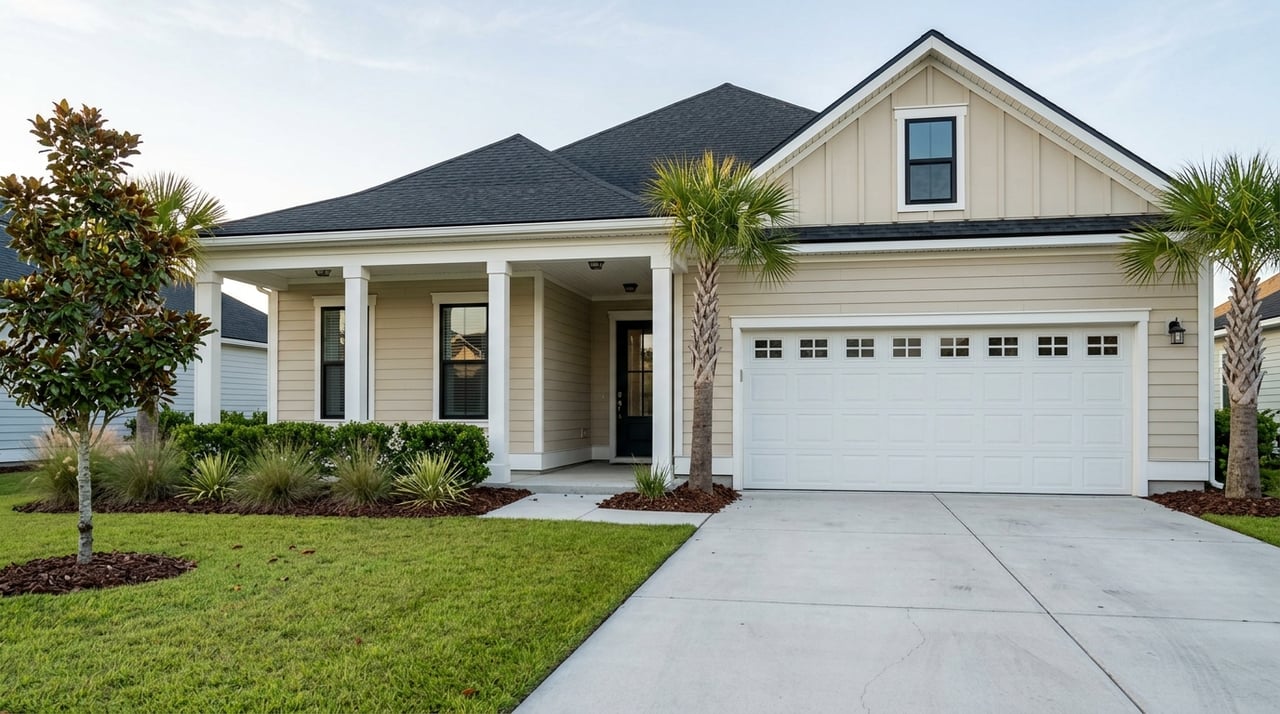
If you’re thinking about selling in Hampstead, you’ve probably asked the big question: is this still a strong market, or have buyers started to slow down? The honest answer is somewhere in the middle. Buyers are still active, but they’re also more selective, which means your pricing, presentation, and timing matter more than ever. Here’s what today’s Hampstead market means for you and how to put your home in the best position to sell.
Hampstead Market at a Glance
Hampstead is still moving, but it is not the kind of market where every listing flies off the shelf. Realtor.com’s June 2026 summary shows 552 homes for sale, a median listing price of $609,000, 39 median days on market, and a 100% sale-to-list ratio. That same report labeled Hampstead a seller’s market in June after calling it balanced in May.
Other sources tell a similar story with slightly different numbers. Redfin reports a median sale price of $524,686 over the last three months ending May 2026, average days on market of 52, and a 99.1% sale-to-list ratio. Zillow’s June 30, 2026 update shows a typical home value of $491,413, 225 for-sale listings, and homes going pending in about 26 days.
The exact figures vary because each platform tracks the market differently. What matters most is the pattern: buyer demand is still there, but sellers are facing more competition and need to be strategic.
What Today’s Inventory Means for Sellers
More inventory changes the conversation. When buyers have options, they compare your home more carefully on price, condition, and features. That means you cannot rely on old market momentum or assume buyers will overlook weak presentation.
In Hampstead, Redfin says the average home sells for about 1% below list price. It also notes that hot homes can go pending in around 19 days, while the broader average pace can stretch much longer.
That gap tells you something important. Well-priced, well-prepared homes can still move quickly, while homes that aim too high often sit longer, collect showings without offers, and end up negotiating from a weaker position.
Pricing Matters More Than Testing the Ceiling
In a market like this, realistic pricing usually beats wishful pricing. If you launch too high, buyers may scroll past your home or wait to see if you cut the price later. Once a listing starts to linger, it can lose momentum.
Pender County data supports that cautious approach. Realtor.com’s county page shows about 1,000 homes for sale, a $625,000 median listing price, and a 10.2% month-over-month increase in median days on market. Redfin’s Pender County tracker shows a median sale price of $479,562 and 61 days on market over the last three months ending May 2026.
For you as a seller, that means this is likely not the moment to chase the highest possible number just to see what happens. A strong pricing strategy should reflect current competition, recent sales, and how your specific property fits the local micro-market.
Presentation Still Has a Big Impact
If you’re deciding where to spend money before listing, focus on updates that help your home feel clean, cared for, and move-in ready. Research in your market points to modest cosmetic improvements, not major last-minute renovations, as the better play.
Realtor.com’s Pender County guidance notes that minor updates like paint, fixtures, and landscaping can help, while major renovations often do not return the full cost. In other words, buyers respond to homes that feel fresh and easy to move into, but that does not mean you need to start a full remodel.
A few practical improvements may go a long way:
- Fresh interior paint in neutral tones
- Updated light fixtures or hardware
- Clean, trimmed landscaping
- Deep cleaning and decluttering
- Simple repairs you may have postponed
These steps can help your home show better online and in person. In a market where buyers have choices, that edge matters.
What Hampstead Buyers Are Looking For
Today’s buyers are not just shopping by square footage. They are also paying attention to how a home feels, how usable the space is, and whether the property supports their lifestyle.
Zillow’s 2026 listing research found that buyers pay more for homes that feel finished and lifestyle-oriented. Homes with a dock sold for 5.4% more than expected, outdoor kitchens added 4.4%, outdoor showers added 4.3%, waterfront homes added 3.0%, and outdoor fireplaces added 2.8%. Listings that mentioned custom features, bespoke finishes, and turnkey condition also performed better, while fixer-uppers sold for 14% less.
That lines up well with what many buyers want in coastal markets like Hampstead. Outdoor living, water access, and a polished presentation can help your home stand out, especially if those features are already part of the property.
Practical Features Matter Too
Lifestyle features are important, but so is everyday livability. Zillow’s prospective buyer research shows that 51% of buyers cared about an extra room for a home office in 2025, and 30% cared about a separate structure for office use.
The same research found that buyers placed high value on air quality, quiet surroundings, and limited climate risk. Redfin also reported that 44% of U.S. residents would choose a smaller home with more sunlight over a larger one with less, and 67% said sunlight affects how satisfied they feel about their living situation.
For your listing, this means details matter. If your home has bright natural light, flexible bonus space, an office, or strong indoor-outdoor flow, those are worth highlighting in the marketing.
Local Filters Still Shape Buyer Decisions
Even when buyers start with broad online searches, they usually narrow down based on location fit. In Hampstead, practical filters like school options, commute patterns, and neighborhood preferences can all influence who schedules a showing.
Realtor.com reports that Hampstead has five public schools rated good or higher by GreatSchools. That does not mean every buyer is searching with the same priorities, but it does show why location-based factors remain part of the decision-making process.
The best listing strategy speaks clearly to the home itself and the practical benefits of its location. Neutral, factual marketing helps buyers decide whether the property fits their needs.
Why Micro-Market Strategy Matters
One of the biggest mistakes sellers make is assuming the whole town behaves like one market. In reality, buyer response can vary based on price point, property type, waterfront access, condition, lot size, and competition nearby.
That is why headline stats only tell part of the story. A newer move-in-ready home may attract very different attention than an older property that needs updates. A coastal or waterfront listing may also follow a different pattern than a more standard single-family home inland.
Your strategy should match your home’s lane. That includes pricing, prep work, photography, timing, and how the property is positioned against similar active listings.
Why Local Guidance Still Matters
In a market with mixed signals, interpretation matters just as much as raw data. National Association of Realtors research found that 91% of sellers sold with an agent, and that sellers most wanted help with marketing the home, pricing it competitively, and selling within a specific timeframe.
That fits Hampstead right now. The opportunity is still there, but the path to a strong result is more nuanced than it was in an overheated market.
When you work with a local professional who understands the coastal corridor, you get more than a number from an automated tool. You get guidance on what buyers are responding to now, how to position your home, and where to avoid costly missteps.
If you’re considering a move in Hampstead, Alexis Allen can help you understand your home’s place in today’s market and build a listing strategy around your goals.
FAQs
How strong is the Hampstead housing market for sellers right now?
- Hampstead is still an active market with buyer demand, but it is not an automatic sell-fast environment. Current data shows sellers can do well, though pricing and presentation matter more than they would in a runaway market.
How long are homes taking to sell in Hampstead?
- Recent reports vary by source, with median or average time on market ranging from about 26 to 52 days in Hampstead. Well-priced homes in strong condition may move faster, while overpriced homes can take longer.
Should I price my Hampstead home above market value to leave room to negotiate?
- In today’s market, overpricing can backfire. With more inventory and more buyer choice, a realistic price often helps attract stronger interest and better momentum.
What updates should I make before selling a home in Hampstead?
- Minor cosmetic improvements like paint, fixtures, landscaping, cleaning, and simple repairs are often more helpful than expensive renovations. Research suggests major last-minute remodels may not return their full cost.
What features are buyers noticing in Hampstead-area homes?
- Buyers are paying attention to move-in-ready condition, outdoor living spaces, natural light, flexible rooms, and lifestyle features such as docks, waterfront elements, and finished details when those features are part of the home.
Why should I work with a local agent to sell my Hampstead home?
- Hampstead’s market data shows variation in pricing, timing, and buyer demand by property type and location. A local agent can help you interpret that data, position your home competitively, and build a strategy based on your specific goals.