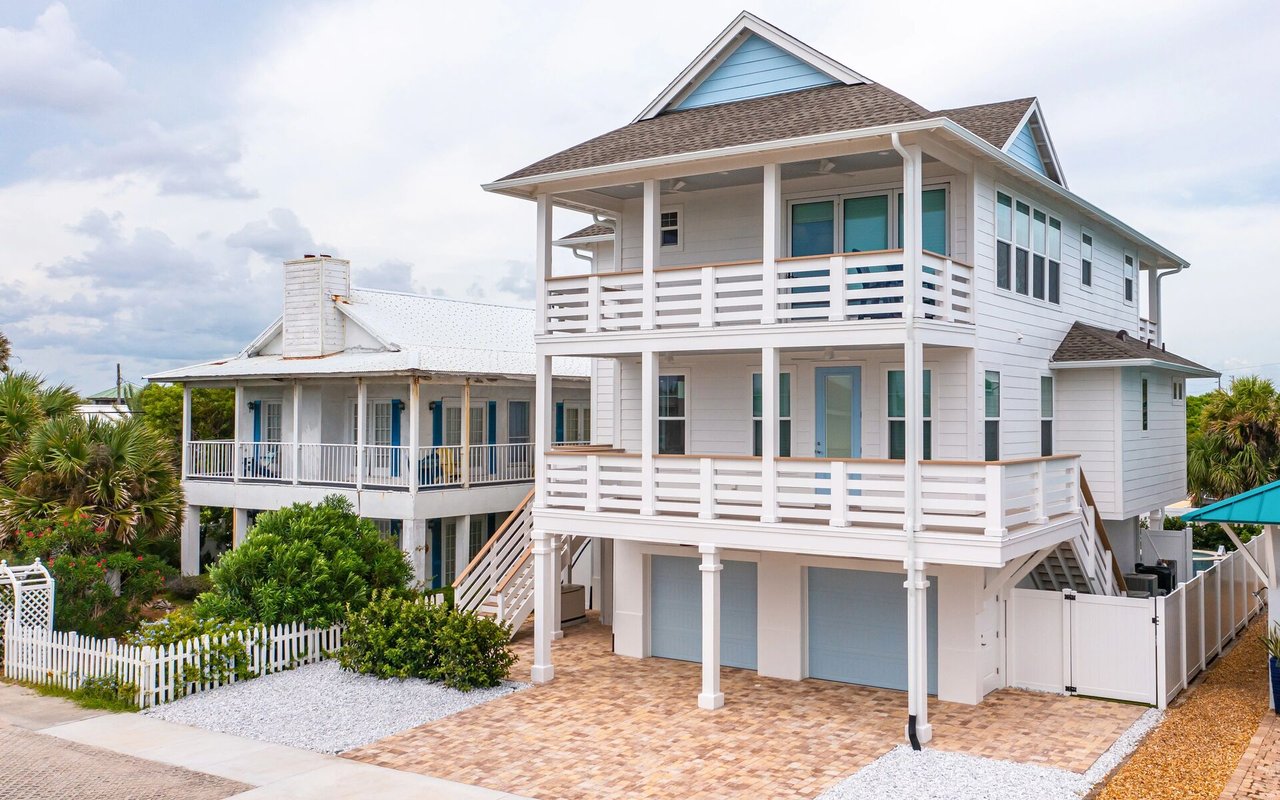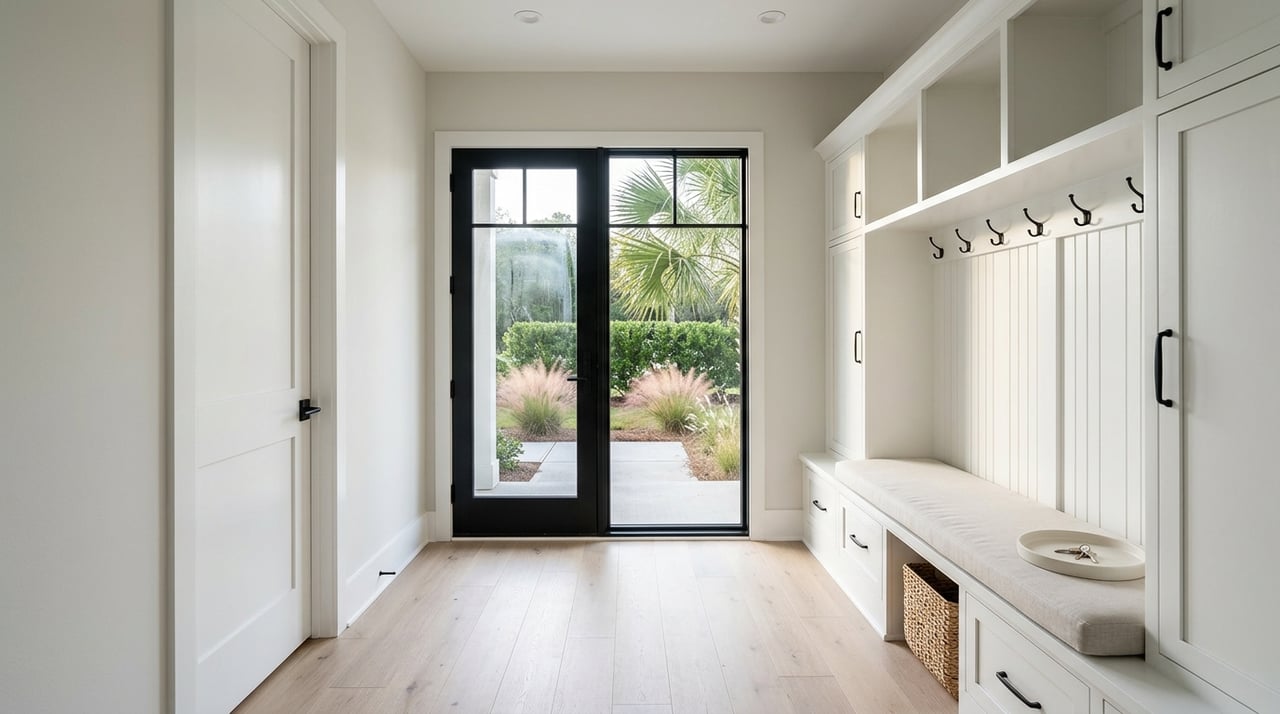
If you only know Surf City from a summer beach day, full-time life here might surprise you. Yes, you get the coast, the bridge views, and easy access to the water, but you also get a real small-town routine with utility bills, commute planning, storm prep, and favorite local spots that feel very different in January than they do in July. If you are wondering what year-round living actually feels like in Surf City, this guide will help you picture the pace, the tradeoffs, and the everyday rhythm. Let’s dive in.
Surf City Is More Than A Vacation Town
Surf City is a small coastal town with both island and mainland sections connected by the Surf City Bridge. It sits about 35 miles north of Wilmington and 30 miles south of Jacksonville, which helps explain why many full-time residents enjoy beach living while still driving regionally for work, appointments, or added services.
The town has a year-round population of about 5,000 people, based on recent figures from the U.S. Census Bureau and the town’s own population snapshot. At the same time, peak season can push the population above 60,000. That contrast shapes almost everything about daily life here.
For you as a resident, that means Surf City can feel calm, familiar, and residential for much of the year, then noticeably busier during summer weekends and holidays. It is not just a vacation destination, but it is also not a typical inland town with the same pace every month.
What Daily Life Looks Like
Living in Surf City full-time means handling the same basics you would anywhere else, just in a coastal setting. The town provides core services including planning and zoning, emergency management, police, utilities, and solid waste, with utilities covering water, sewer, stormwater, and solid waste.
That matters because year-round life is not just morning walks by the beach. It also includes setting up utility service, managing bills that are issued one month in arrears, and keeping up with normal household routines.
The town’s layout also adds a layer of practicality. Because Surf City spans both Pender and Onslow counties, some county services and local references can vary depending on your address.
The Dual-County Detail Matters
One of the most overlooked parts of living in Surf City is that your address can place you in either Pender County or Onslow County. The town itself points residents to resources in both counties for government, schools, tourism, and emergency information.
For you, that means it is smart to confirm county-specific details early if you are moving here. The right point of contact for local services may depend on which side of town you are on.
This is one reason local guidance matters when you are buying in Surf City. Two homes can feel close together on a map but still connect to different county systems and reference points.
Commutes And Regional Access
Surf City works well for many people who want a beach-town home base without giving up access to larger nearby hubs. The town reports a median commute time of 23.3 minutes, which suggests many residents combine coastal living with regional commuting.
That setup can be a real plus if you work in Jacksonville, Wilmington, or surrounding areas. You get a smaller-town environment at home while still staying connected to jobs, shopping, and services beyond town limits.
Broadband availability for most households also supports modern daily life. If you work remotely, split time between home and office, or just need reliable connectivity, that is an important part of the full-time picture.
Summer Traffic Is Real
If you are considering full-time living here, traffic is one of the biggest lifestyle realities to understand. Surf City and Topsail Beach launched a joint summer traffic management program in 2026 because intersections along NC 50 and NC 210 regularly see major congestion on weekends and holidays.
In plain terms, summer can require more planning. Errands, restaurant visits, and trips on or off the island often go more smoothly when you avoid peak visitor windows.
That does not mean daily life becomes unmanageable. It means locals tend to learn the rhythm, time things strategically, and build routines around the busy season.
The Bridge Changed Daily Life
The current Surf City Bridge is a major reason year-round living is easier than it used to be. NCDOT says the high-rise bridge opened in 2018 and replaced the old swing bridge, allowing traffic to keep moving while boats pass underneath.
That improvement removed a major bottleneck from island access. It did not erase summer backups, but it did make crossing between the island and mainland more consistent for everyday life.
For full-time residents, that matters in ways both big and small. School drop-offs, work commutes, grocery runs, and appointments all benefit from a bridge system built for continuous traffic flow.
Off-Season Is When Many Residents Love It Most
If summer is the high-energy version of Surf City, the off-season is the version many full-time residents settle into and enjoy most. With peak-season population swelling above 60,000, the quieter months naturally feel calmer and less crowded.
This is when Surf City tends to feel more like a hometown than a destination. You may find it easier to enjoy the beach, local businesses, and public spaces at a slower, more relaxed pace.
The climate helps, too. NOAA climate normals show an annual mean temperature of 62.1°F, with average January highs around 54.8°F and average July highs around 87.5°F, which supports relatively mild winters and warm summers.
Recreation Goes Beyond The Beach
One of Surf City’s strongest year-round advantages is that recreation is not limited to summer beach days. The town offers 36 public beach accesses along with parks, playgrounds, recreation and wellness classes, a Bark Park, a disc golf course, and the Surf City Community Center.
For many residents, those everyday options make full-time life feel more balanced. You can build regular routines around walking, fitness, kayaking, or community programs instead of treating the coast as something you only enjoy on special occasions.
Specific amenities add to that appeal. Soundside Park includes a kayak and paddleboard launch, a public boat ramp, a fishing pier, and restrooms, while the Community Center offers a fitness room, gymnasium, tennis and pickleball courts, and wellness classes.
Dining And Shopping Stay In The Mix
Surf City also offers more day-to-day convenience than some people expect from a smaller beach town. Pender County tourism describes it as the commercial heart of Topsail Island, with indoor and outdoor dining plus a central business district with shopping.
The food scene is not massive, but it is varied. Local listings include coffee, breakfast, seafood, tacos, pizza, sandwiches, and waterfront or boat-dock dining.
For you as a resident, that means you can enjoy a mix of familiar favorites and casual coastal outings without leaving town every time you want a meal out. At the same time, many residents still use nearby larger areas for additional shopping and service needs.
Beach Living Comes With Rules
A lot of people picture beachfront living as carefree, but year-round residents know it also comes with shared responsibilities. Surf City has rules for beach use that include leashing pets, staying off dunes, avoiding glass and open flames, and removing personal items overnight.
These rules help protect the shoreline and keep public spaces usable for everyone. They are a normal part of living in a place where the beach is not just scenery, but part of the town’s everyday environment.
It is also worth remembering that beach access and conditions can change with weather and ocean conditions. Full-time living here includes staying flexible and paying attention to seasonal changes.
Housing Feels Residential, But Coastal Pricing Is Real
The housing picture supports the idea that Surf City is more than a short-term getaway market. Census QuickFacts show an owner-occupied housing rate of 73.9%, and 78.4% of residents lived in the same home one year earlier.
Those numbers point to a community with a meaningful base of stable, full-time households. At the same time, pricing reflects the reality of coastal demand.
Current Census figures show a median owner value of $512,300 and a median gross rent of $1,707. If you are planning a move, it is helpful to go in with a clear budget and a good understanding of what your priorities are, whether that is proximity to the beach, easier mainland access, or a balance of both.
Storm Prep Is Part Of The Lifestyle
One of the biggest differences between visiting Surf City and living here full-time is that residents have to think about preparedness. The Atlantic hurricane season runs from June 1 through November 30, and the town directs residents to emergency tools including CodeRED alerts, an emergency alert radio station, flood maps, ReadyNC, and National Hurricane Center resources.
That does not mean daily life feels stressful all the time. It means coastal living comes with a practical mindset.
If you live here year-round, storm awareness becomes part of your routine, just like learning traffic patterns or knowing when to get beach gear put away. For many residents, it is simply part of being prepared and informed.
So, What Does Full-Time Living Really Feel Like?
In real life, full-time living in Surf City feels like a mix of beach-town calm and seasonal adjustment. You get scenic surroundings, public recreation, mild winters, and a smaller community feel, but you also learn to plan around summer traffic, respect coastal regulations, and stay weather-aware.
That balance is exactly why Surf City appeals to so many buyers. It offers a true year-round lifestyle, not just a postcard version of the coast.
If you are thinking about buying in Surf City, having local insight can make a big difference, especially when you are comparing island versus mainland options, sorting through county-specific details, or trying to match your budget with your day-to-day goals. When you are ready to talk through what full-time living could look like for you, connect with Alexis Allen.
FAQs
Is Surf City, NC livable year-round?
- Yes. Surf City has a year-round population of about 5,000, local government services, utilities, recreation facilities, dining, and shopping, even though it also sees a large seasonal population increase.
What is summer traffic like in Surf City?
- Summer traffic can be significantly heavier, especially on weekends and holidays along NC 50 and NC 210, where the town has identified recurring congestion.
What does the off-season feel like in Surf City?
- The off-season is noticeably calmer than summer, with fewer crowds and an easier pace for enjoying beaches, parks, and local amenities.
Does Surf City have services for full-time residents?
- Yes. The town provides utilities, solid waste, police, emergency management, planning and zoning, and other core municipal services that support year-round living.
What should buyers know about Surf City’s location?
- Surf City spans both Pender and Onslow counties, so county-related services and local reference points can vary depending on the property address.
What kind of recreation is available in Surf City year-round?
- Residents can use public beach accesses, parks, playgrounds, the Bark Park, disc golf, Soundside Park amenities, and the Surf City Community Center with fitness and court facilities.
What weather patterns affect full-time living in Surf City?
- Residents typically experience mild winters and warm summers, but they also need to prepare for hurricane season, which runs from June 1 through November 30.