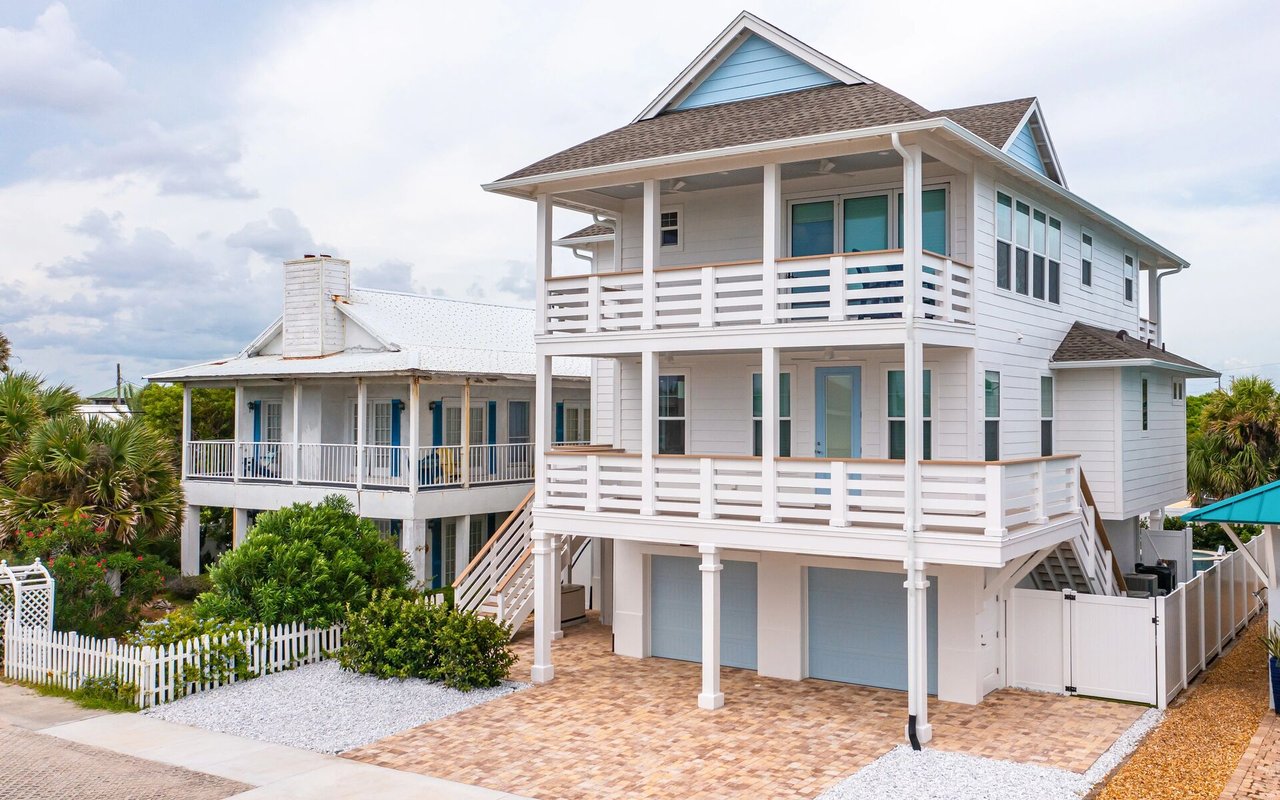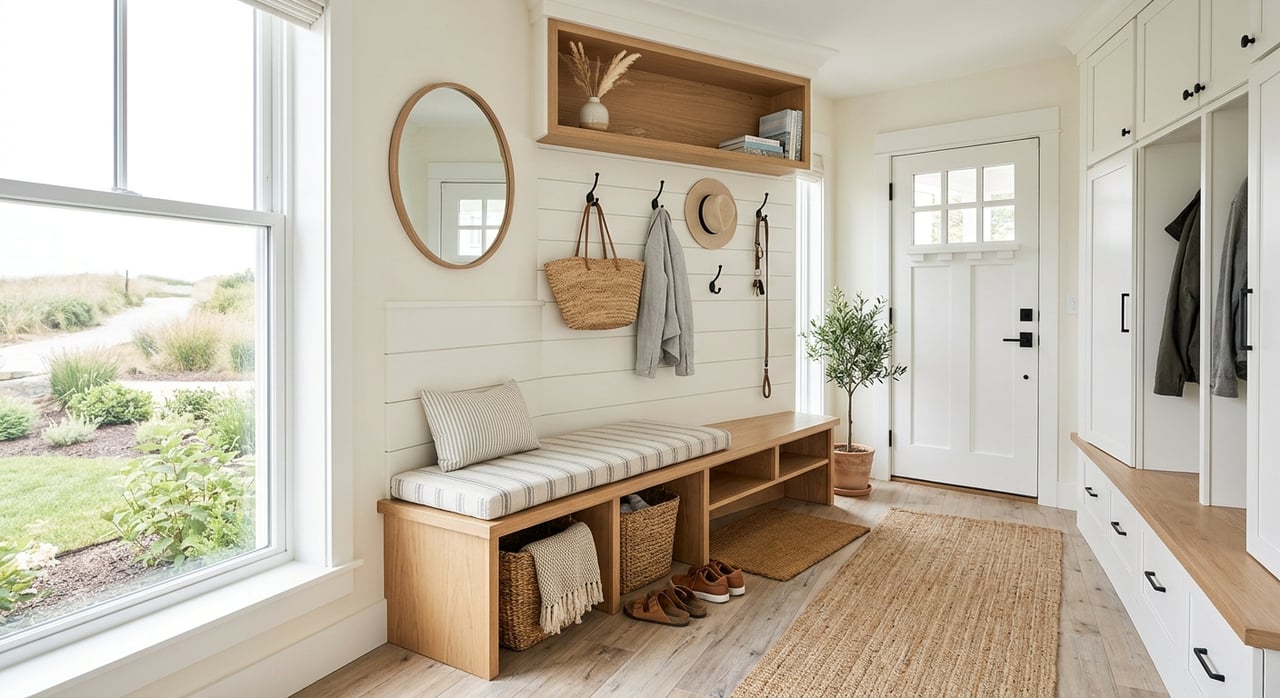
Dreaming about a place where you can keep flip-flops by the door, hear the water from your porch, and step into a slower coastal routine whenever you need a reset? If Topsail Beach is on your radar for a second home, you are not alone. This small beach town offers a distinct ownership experience, and knowing how it works can help you buy with more confidence. Let’s dive in.
Why Topsail Beach appeals to second-home buyers
Topsail Beach sits at the southern end of Topsail Island and is the smallest of the island’s three towns. According to the town, it has more than 1,200 homes, about 500 year-round residents, and a seasonal population that grows to roughly 7,000. That gives you a clear sense of the rhythm here: quieter in the off-season, busier when visitors return.
The town also describes itself as family-oriented, and high-rise development is not allowed. For many future owners, that matters because it helps preserve the lower-profile coastal feel people come here for. If you want a beach market that feels established rather than overbuilt, Topsail Beach often stands out.
Lifestyle is a major part of the draw. The town highlights beach, soundfront, marina, and nature-based recreation, along with local shops, restaurants, and a summer Thursday craft market. On the South End, also called The Point, you will find sound-to-sea frontage, dunes, wetlands, maritime shrub forest, and wildlife habitat.
What daily ownership looks like
A second home is not just about the house itself. It is also about how easy the town is to use when you are there and how manageable it feels when you are away.
Topsail Beach has 22 public beach accesses maintained by Public Works. The town also manages access with seasonal parking rules, and selected access points include accessibility mats. That kind of infrastructure can shape your day-to-day experience, especially if you expect to host friends or family during beach season.
Parking is more structured than some first-time buyers expect. The town uses paid parking at selected beach accesses from March 1 through October 31. Residents and property owners can create free parking permits through the town’s parking system, with two permits allowed per water utility bill account.
There are also several practical town services that can make remote ownership easier. The town’s smart-meter project is designed to reduce the need for staff to go onto the property, curbside recycling began in 2025, and trash is collected every Monday year-round with an extra Thursday pickup in summer. If you plan to use the property as a short-term rental at times, the town notes that those properties must have two trash carts.
Comparing condos and single-family homes
Most second-home buyers in Topsail Beach start by comparing two paths: a condo or a single-family home. Both are available in the market, and each can fit a different ownership style.
A condo may appeal to you if you want lower-maintenance ownership and a simpler lock-and-leave setup. A single-family home may appeal more if you want added privacy, more control over the property, or outdoor space that is fully your own. The right fit often depends on how often you plan to visit, how hands-on you want to be, and whether flexibility matters more than convenience.
Condo buyers should plan carefully around HOA dues and project rules. Condo or HOA fees are usually paid directly to the association and can range from a few hundred dollars per month to more than $1,000 per month. Financing can also depend on whether a condo project meets lender requirements, so this is a detail worth checking early.
Single-family homes can offer more autonomy, but they may also come with more maintenance responsibility, especially in a coastal setting. Exterior upkeep, storm prep, and repair coordination may all fall more directly on you. If you live out of town, that can become a big factor in your decision.
What the market data suggests
Topsail Beach is a limited-inventory, high-value coastal market. Recent snapshots from major listing platforms point in that direction, even though they use different methods and should be read as directional rather than identical.
One March 2026 report showed a median sale price of $1.6 million with 5 homes sold. Another March 2026 market overview showed a median listing price of $1,152,500, 31 homes for sale, and a 138-day median time on market. For you as a buyer, that means pricing, competition, and timing can vary a lot depending on the exact property type and location.
In a market like this, it helps to focus less on one headline number and more on the segment you actually want to buy in. A beachfront detached home, a soundside property, and a condo may all behave differently. Local guidance matters because broad averages do not always capture the differences that shape value.
Financing a true second home
If you are buying a true second home, lender classification matters early. Fannie Mae says a second home must be a one-unit dwelling, occupied by the borrower for some portion of the year, suitable for year-round occupancy, under the borrower’s exclusive control, and not treated as rental property or a timeshare.
That matters if you are already thinking, “I may want to rent it out sometimes.” Depending on how the property will be used, your lender may not view it the same way you do. Having that conversation upfront can help you avoid surprises later in the loan process.
For general budgeting, down payment size affects loan cost. In most cases, buyers need at least 3% down, and many loan types and lenders require 5% or more. Closing costs often run about 2% to 5% of the purchase price, so it is smart to include those in your planning from the start.
Planning for taxes and carrying costs
The purchase price is only part of the picture with a second home. Ongoing carrying costs can shape what feels comfortable long term.
For fiscal year 2025-26, Pender County lists a county tax rate of 73.75 cents per $100 of assessed value. The Town of Topsail Beach lists a town rate of 48 cents per $100. The town bills and collects its own real and personal taxes, which are due September 1, while county tax bills are mailed in August and due January 5.
If you plan to rent the property, there is another local cost to understand. Pender County lists a 6% occupancy tax inside Topsail Beach town limits, payable to the town. The short-term rental, accommodation manager, or owner is responsible for remitting it.
When you review affordability, it helps to build a full ownership budget that includes taxes, insurance, utilities, HOA dues if applicable, and maintenance. A beach home can absolutely support your lifestyle goals, but it is best when the numbers feel sustainable year after year.
Flood and storm planning matter here
In Topsail Beach, flood planning is not optional background information. It is a central part of ownership.
The town’s flood brochure says the dominant flooding source is wind-driven storm surge from Atlantic storms. The town encourages owners to check their flood zone and elevation certificates at Town Hall at no charge. That is a useful local step if you want better clarity on risk before or after you buy.
FEMA also notes that Special Flood Hazard Areas are where mandatory flood insurance purchase rules can apply. New NFIP policies normally have a 30-day waiting period. For future owners, that means insurance timing is important, especially if you are trying to line everything up before a storm season or closing date.
Hurricanes should be part of your ownership plan from day one. The town advises residents to leave during evacuation orders, be prepared to support themselves for 72 hours, and understand re-entry procedures. Topsail Beach also maintains a 30-year beach management plan and says beach nourishment helps replace sand lost to erosion and maintain the barrier that protects coastal homes and buildings.
Managing a second home from a distance
Many second-home buyers do not live nearby full time, so remote management matters. Topsail Beach offers at least one practical service specifically helpful for that reality.
If you will be away for an extended period, the police department offers a courtesy House Check list for residents. That can be a useful piece of your vacant-home routine, especially if your visits are seasonal rather than monthly. It does not replace private property oversight, but it is a good local feature to know about.
You will also want to think through access, upkeep, and response time. Trash schedules, recycling, utility systems, and service coordination can all affect how easy the property is to manage when you are not in town. The smoother those logistics are, the more enjoyable second-home ownership tends to feel.
Know the local rules before you buy
Beach-town rules can affect how you use your property, your vehicle choices, and even how guests experience the area. It is better to understand those details before closing than after move-in.
In Topsail Beach, golf carts are not allowed on town or state streets. Low-speed vehicles are allowed only under defined conditions. Dogs must be leashed during the town’s seasonal windows, open fires on the beach are not allowed, and beach driving is limited to permitted four-wheel-drive vehicles for fishing on the south end during the seasonal window.
The town also lists season driving passes for beach access on the south end at $25 for residents and $100 for nonresidents. If part of your second-home vision includes fishing access or frequent beach-day logistics, these details are worth working into your expectations.
How to buy with confidence
The best second-home purchases usually happen when lifestyle goals and ownership realities line up. In Topsail Beach, that means balancing the appeal of a low-profile coastal town with the real planning required for flood risk, taxes, insurance, maintenance, and local rules.
If you are deciding between a condo and a detached home, or between personal use and part-time rental use, clarity early on can save time and stress. The more specific you are about how you want to use the property, the easier it becomes to narrow your options and make a smart decision.
Topsail Beach can be a wonderful fit if you want a beach home in a town with a distinct identity, natural beauty, and a more measured pace. If you want help comparing properties, understanding the local market, and building a practical plan for ownership, Alexis Allen is here to help.
FAQs
What makes Topsail Beach different for second-home buyers?
- Topsail Beach is the smallest town on Topsail Island, has more than 1,200 homes, limits high-rise development, and has a seasonal population pattern that gives it a quieter off-season and busier summer feel.
What property types can you buy in Topsail Beach?
- Buyers typically compare condos and single-family homes, with condos offering a lower-maintenance option and detached homes offering more privacy and control.
What should you know about condo ownership in Topsail Beach?
- Condo buyers should review HOA dues, project rules, and financing eligibility early, since monthly dues can be significant and lender approval can depend on the project.
What are the local property tax rates in Topsail Beach?
- For FY 2025-26, Pender County lists a county tax rate of 73.75 cents per $100 of assessed value, and the Town of Topsail Beach lists a town tax rate of 48 cents per $100.
What if you want to rent out a Topsail Beach second home?
- If the property is rented, Pender County lists a 6% occupancy tax inside Topsail Beach town limits, and the short-term rental, accommodation manager, or owner is responsible for remitting it.
Why is flood planning important for Topsail Beach owners?
- The town says the main flooding source is wind-driven storm surge from Atlantic storms, and flood zone, elevation, and insurance timing can all affect ownership costs and risk planning.
How does parking work for Topsail Beach property owners?
- The town uses paid parking at selected beach accesses from March 1 through October 31, and residents or property owners can create free parking permits, with two permits per water utility bill account.
What local rules should Topsail Beach buyers know before purchasing?
- Buyers should know that golf carts are not allowed on town or state streets, low-speed vehicles are limited to specific conditions, and there are town rules for dogs, beach fires, and seasonal beach driving permits.