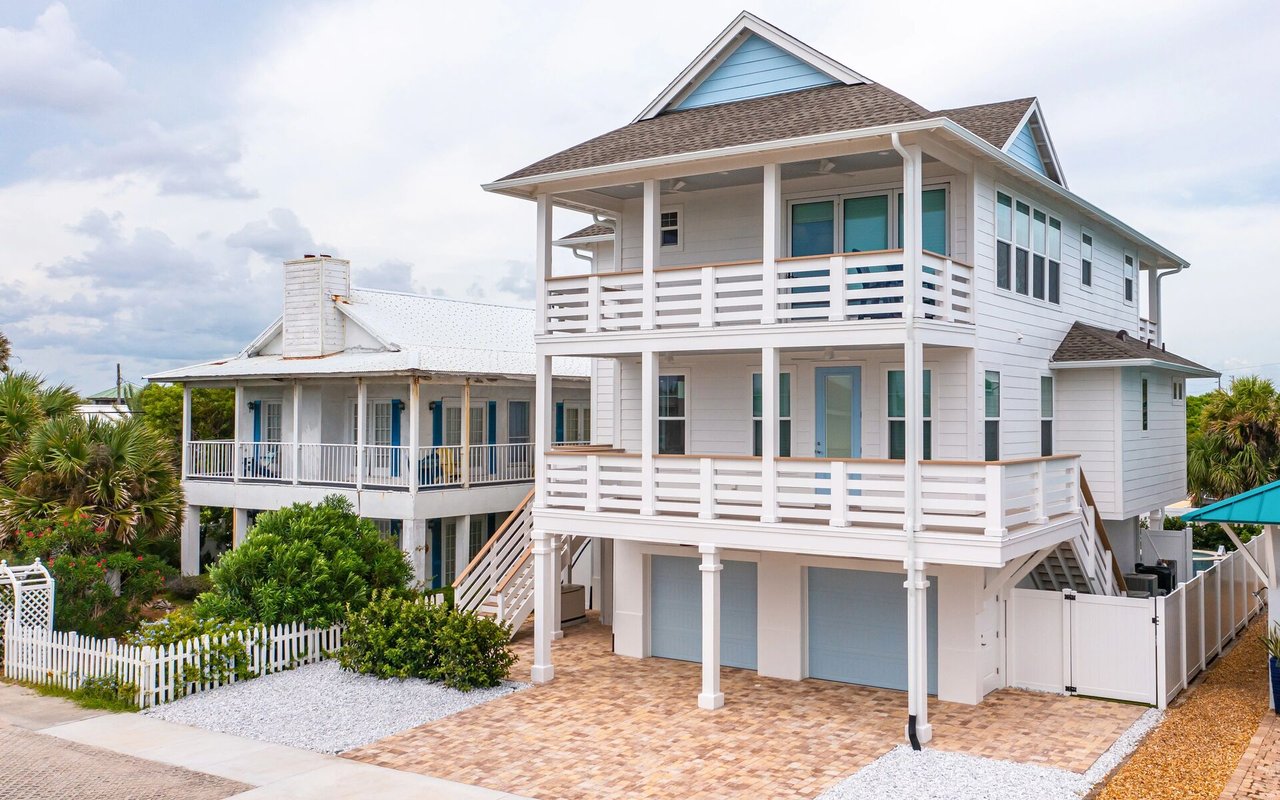
Thinking about turning your Surf City home into a vacation rental? You are not alone. With beaches, boating, and a laid‑back vibe, the 28445 area draws steady visitor interest. The rules and setup can feel confusing at first, especially if you are new to short‑term rentals. This guide walks you through the essentials for Surf City and ZIP 28445 so you can launch a compliant, guest‑ready rental with confidence. Let’s dive in.
Know your jurisdiction
First, confirm where your property sits. ZIP 28445 spans both Onslow and Pender counties, and parts of the area fall inside the Town of Surf City limits. That matters for zoning, permits, and taxes. You can see how the ZIP crosses county lines in this 28445 overview.
If your home is inside Surf City’s corporate limits, start with the town’s planning team for zoning and land use questions. Visit Surf City Planning and Zoning to verify your zoning and connect with staff who can confirm what is allowed on a specific parcel.
What counts as an STR
In North Carolina, a vacation rental is a dwelling rented for fewer than 90 days. The North Carolina Vacation Rental Act requires a written vacation rental agreement and sets rules for deposits, notices, and handling of advance payments. If you plan to rent your home for short stays, use an agreement that complies with Chapter 42A.
Surf City zoning basics
Surf City’s zoning ordinance defines “Short‑term rental” and shows where it is permitted. Many districts allow STRs, but you should always verify for your address. Review the Surf City Zoning Ordinance and ask the planning office to confirm your parcel’s status. If any permit or registration is required by the town for your address, keep the documentation on file and note any display requirements.
Onslow County permit and tax
If your Surf City property lies in Onslow County, you must register before advertising or booking. Onslow County requires a Short‑Term Rental Permit and manages occupancy tax reporting through its GovOS portal.
- The county levies a 3% room occupancy tax on gross short‑term rents.
- Returns are filed monthly and are due by the 15th of the following month. Penalties and interest can apply to late filings.
- The county explains registration steps, monthly filing, and how marketplace sites interact with local tax collection.
Start with the county’s Occupancy Tax information and read the GovOS STR portal FAQs to set up your account. Plan to post any required permit and visitor emergency information inside the unit, as directed by the county.
Pender County tax notes
If your Surf City address is in Pender County, confirm the local occupancy tax and who administers the receipts. Local session laws allow a room occupancy tax that often runs up to 3% in coastal Pender, and some proceeds in Surf City and Topsail Beach are directed to beach nourishment or tourism authorities. Review this occupancy tax overview and verify with the county or relevant tourism authority which entity handles your parcel.
Safety and posting rules
Set clear house rules and safety basics before your first booking.
- Install and test smoke alarms, carbon‑monoxide detectors, and fire extinguishers.
- Post emergency contacts, evacuation steps, and any required permits or notices where guests can see them.
- Provide a simple house manual that explains parking, trash days, quiet hours, and local rules.
- Use a written vacation rental agreement that follows the NC Vacation Rental Act.
Also note a newer state requirement: lodging establishments and vacation rental managers must complete human‑trafficking awareness training and maintain certain signage and reporting procedures. Review HB 971 for who must train and by when: Human‑trafficking training law.
Seasonality and pricing
Surf City and Topsail Island follow a classic coastal pattern. Memorial Day through Labor Day is peak season with the highest nightly rates and strongest occupancy. Spring and fall bring moderate shoulder demand, and winter is quieter with mostly weekend and holiday traffic.
Build a month‑by‑month plan so you do not overestimate off‑season income. For precise comps and revenue modeling, use a recognized STR analytics tool such as AirDNA’s MarketMinder. A helpful primer on accepted STR data tools is here: Airbnb stats and market tools. Pair analytics with real listing checks and, if you are buying an existing rental, request the seller’s booking calendars and P&Ls.
Insurance and flood planning
Tell your insurer you plan to operate a short‑term rental. Standard homeowners policies may not cover business activity or guest injuries. Ask about a short‑term rental endorsement, a landlord policy, or specialized STR coverage.
Most Surf City homes are on or near a barrier island, so review your flood exposure. Check the FEMA flood zone for your parcel and consider obtaining an Elevation Certificate. If your home is in a Special Flood Hazard Area, lenders commonly require flood insurance. Learn the basics and where to find flood maps here: FEMA flood mapping resources.
Plan for hurricane season, which runs in the Atlantic from early summer into fall. Create an evacuation and communication plan for guests, set clear refund or force‑majeure language in your rental agreement, and identify a local vendor who can secure the property ahead of storms.
Amenities guests expect
Thoughtful features can boost bookings and reviews.
- Reliable high‑speed Wi‑Fi
- Easy beach access or ocean views when available
- Multiple bathrooms and a washer and dryer
- A full, well‑equipped kitchen
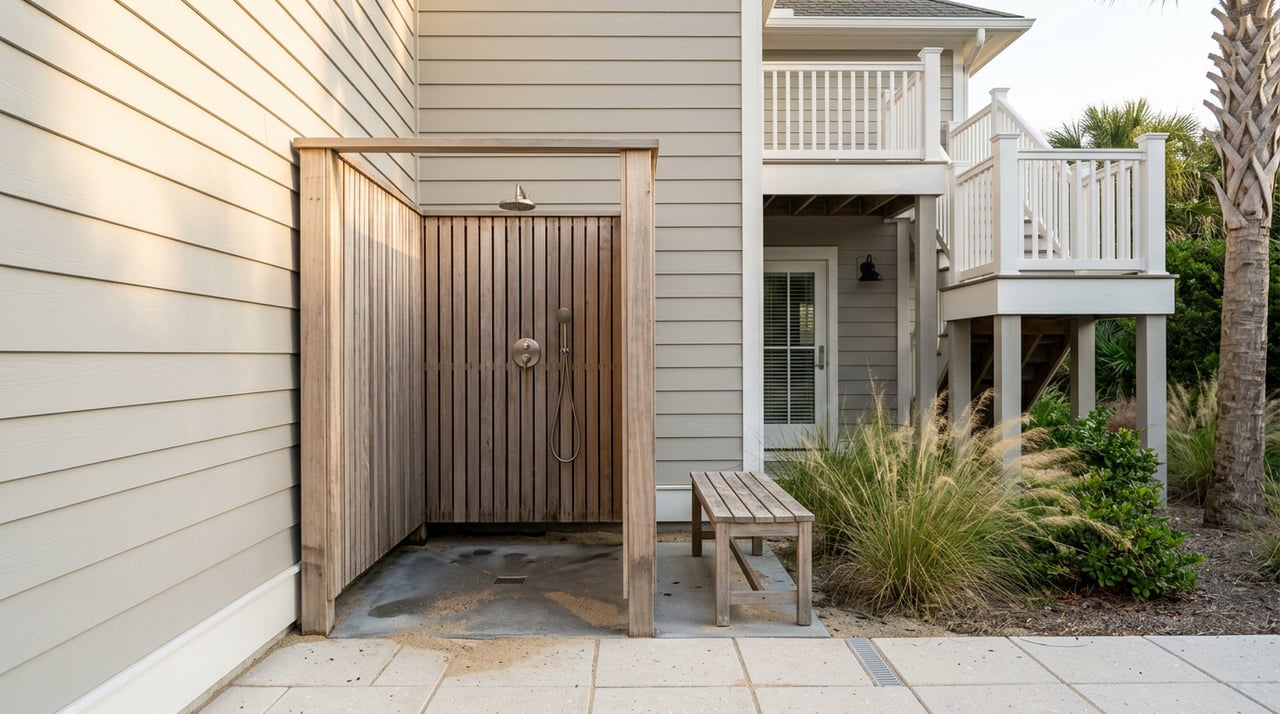
- Outdoor shower for sand rinse‑off
- Private deck or patio space
- Off‑street parking and simple smart‑lock entry
- Pet‑friendly setup if allowed by your HOA and insurance
Accurate listing descriptions and professional photos make a clear impact on conversion. Match your amenities and pricing to similar local listings.
Operations and costs
Budget for startup and ongoing expenses so your numbers stay realistic.
- Property management: often 15 to 35% for full‑service support; fees vary by scope.
- Turnover: professional cleaning, linens, and laundry between stays.
- Utilities and services: internet, power, water, trash, landscaping.
- Maintenance: HVAC service, pressure washing, deck care, rust control.
- Pools or hot tubs: regular servicing if present.
- Supplies: toiletries, paper goods, kitchen basics, and replacement items.
- Taxes and filings: occupancy tax remittance and any required sales tax handling.
- Reserves: set aside funds for big items like roofs, HVAC, and decking.
Coastal homes typically need higher reserves due to wind, salt, and storm exposure.
HOA and neighborhood rules
If your property is in an HOA or subject to private covenants, review the documents before you list or buy. CCRs can limit or prohibit short‑term rentals, set noise and parking rules, or require approvals. These private rules can be stricter than municipal zoning, so confirm early.
Step‑by‑step due diligence
Use this checklist to validate a property for STR use and get compliant fast.
Confirm where the parcel sits. Is it inside Surf City limits, and is it in Onslow or Pender County? Start with Surf City Planning and Zoning for address‑specific guidance.
Verify zoning and permitted use. Review the Surf City Zoning Ordinance and request written confirmation for your address if needed.
Register for permits and taxes. Onslow County properties must obtain the STR permit and register for monthly filings. Read the Onslow Occupancy Tax page and the GovOS portal FAQs.
Confirm the right tax authority for Pender parcels. Use the occupancy tax overview to understand how proceeds may be administered and verify where to remit.
Prepare a compliant agreement. Use a written contract that follows the NC Vacation Rental Act.
Complete required training and signage. Review HB 971 for human‑trafficking awareness training deadlines and signage requirements.
Assess flood and insurance. Check FEMA mapping, get an Elevation Certificate if needed, and secure STR‑appropriate insurance. See FEMA flood resources.
Model your numbers. Use recognized STR analytics for ADR and occupancy trends, and request historical booking and expense records for existing rentals. A helpful primer is here: Airbnb stats and market tools.
Build your operations plan. Line up cleaning, maintenance, guest communications, emergency contacts, and a hurricane plan. Post emergency info and any required permits inside the unit.
Local help and next steps
You do not have to figure this out alone. The right plan starts with clear zoning and tax steps, a solid agreement, and an operations setup matched to Surf City’s busy summer and quieter shoulder months. If you are weighing a purchase or want a second opinion on a property’s STR potential in 28445, reach out for local guidance and a tailored game plan. Connect with Alexis Allen to talk through neighborhoods, property options, and a smart path from idea to guest‑ready.
FAQs
What permits and taxes apply in Onslow County 28445?
- Onslow County requires a Short‑Term Rental Permit and a 3% room occupancy tax with monthly filings due by the 15th; start with the county’s Occupancy Tax page and the GovOS portal FAQs.
How does Surf City zoning treat short‑term rentals?
- Surf City defines short‑term rentals and permits them in many districts; confirm your address and zoning status with the town and review the current zoning ordinance.
What is required under the NC Vacation Rental Act?
- Any rental under 90 days must use a written vacation rental agreement that meets Chapter 42A rules, including how deposits and notices are handled.
What safety postings should I have in the home?
- Post emergency contacts, evacuation steps, and any required permits or visitor information; maintain smoke and CO detectors, fire extinguishers, and a simple house manual.
How seasonal is Surf City and how should I price?
- Peak demand runs from Memorial Day to Labor Day, shoulder seasons are moderate, and winters are quieter; use STR analytics and local comps to set month‑by‑month rates.
What insurance do I need for a Surf City STR?
- Discuss STR use with your insurer and consider an STR endorsement or landlord policy; check FEMA flood zones and evaluate flood and wind coverage for coastal risk.