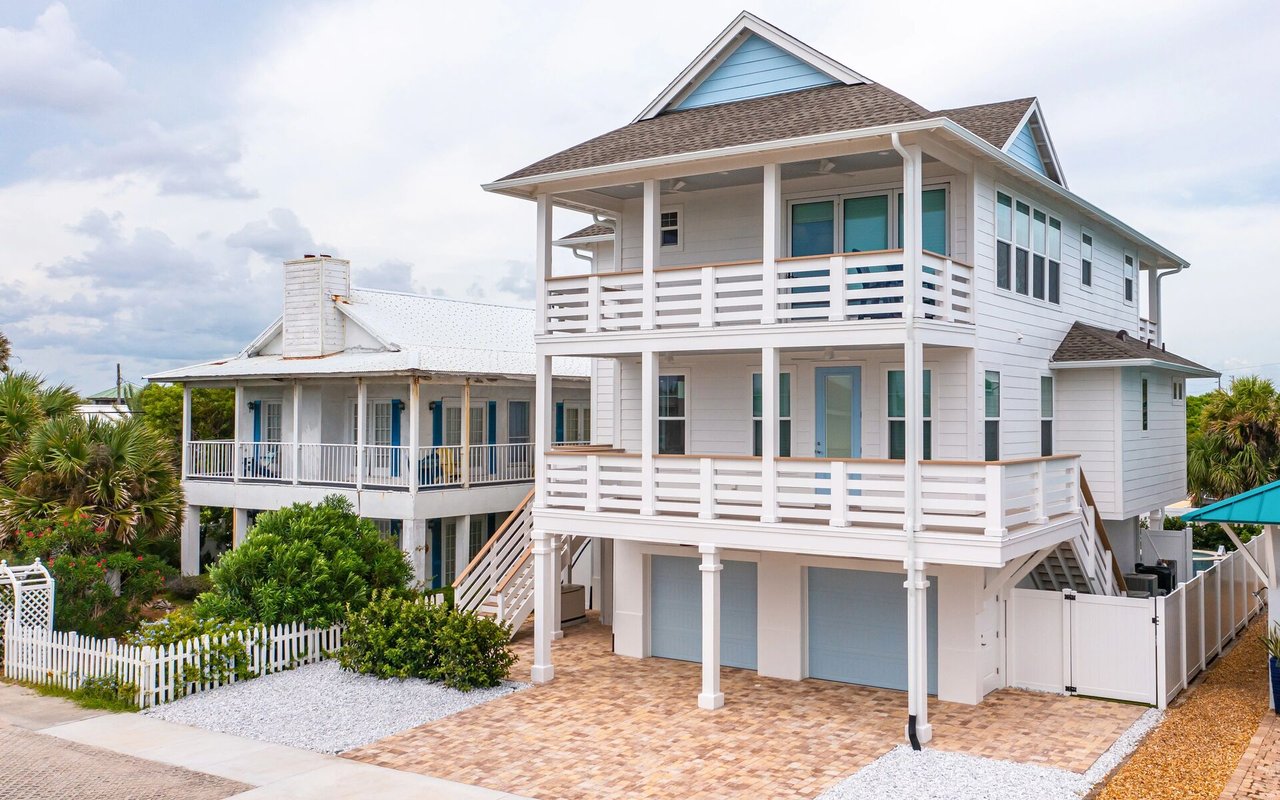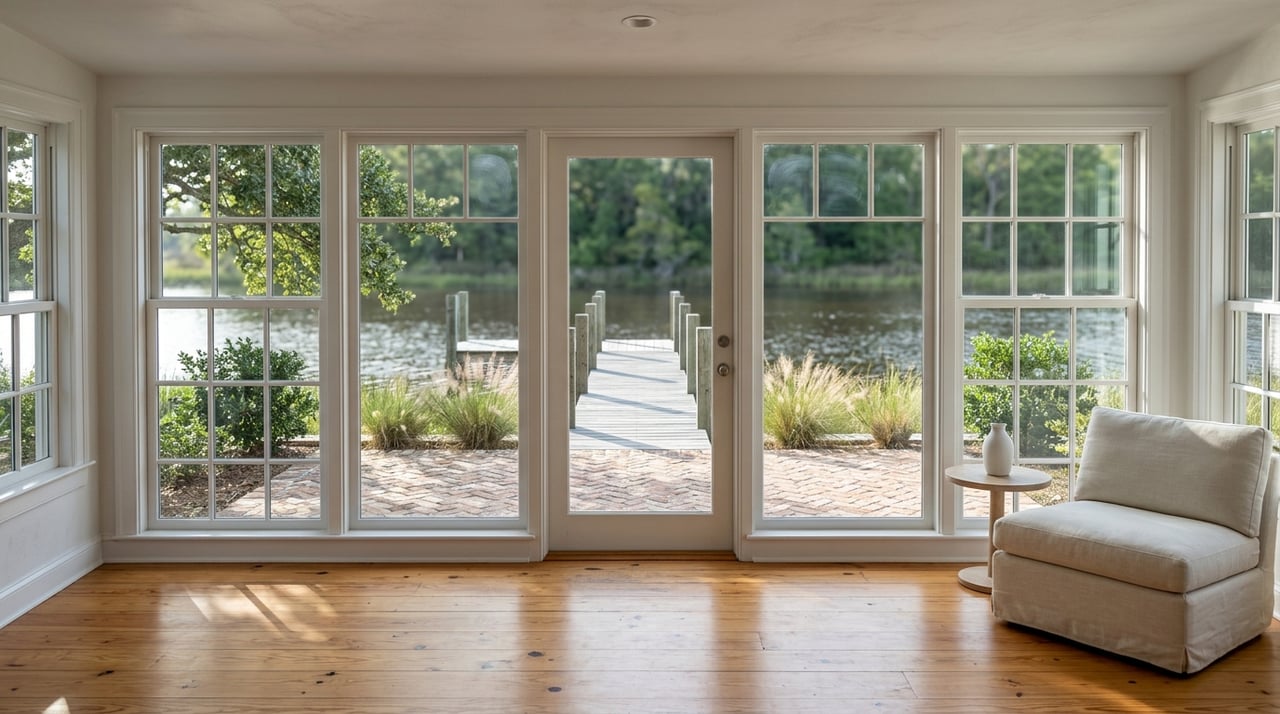
Thinking about selling a home in one of New Bern’s most distinctive areas? If your property sits in the Historic District or along the water, you already know it is not a one-size-fits-all sale. Buyers notice character, views, and location right away, but they also ask smart questions about permits, flood details, and what makes your home different from the next one. This guide will show you how to position your home well, price it with care, and prepare for the questions that matter most. Let’s dive in.
New Bern Sellers Need a Local Strategy
Selling in New Bern’s historic and waterfront areas takes more than a standard listing plan. These homes often attract buyers who care deeply about architecture, setting, and lifestyle, but they also compare details closely.
The current market still gives sellers reason for confidence, though pricing matters. Public market snapshots in 2026 show a firm market, with Realtor.com describing New Bern as a seller’s market in March 2026 and reporting a median listing price of $351,000, 55 median days on market, and a 100% sale-to-list ratio. At the same time, Redfin’s three-month snapshot ending in April 2026 reported a median sale price of $328,131 and 76 days on market, which reinforces the need for realistic, comp-driven pricing.
That point becomes even more important in special-property segments. Realtor.com reported a median listing price of $525,900 in the New Bern Historic District, with 76 days on market. In simple terms, historic homes can earn a premium, but they usually need sharper positioning and better district-specific comparisons.
Historic Homes Need Thoughtful Preparation
If your home is in one of New Bern’s local historic districts, your preparation should focus on what makes it authentic. The city’s Historic District Guidelines for the Downtown and Riverside districts emphasize the value of original materials and compatible exterior features.
That means buyers may respond more strongly to preserved details than to trendy replacements. Original doors, wood windows, porch elements, masonry, fencing, and mature trees can all support the story of the home when they have been maintained well.
Before making last-minute changes, it helps to know how local review works. New Bern’s guidelines state that exterior changes and significant landscaping in local historic districts may require contact with Development Services to determine whether a Certificate of Appropriateness, or COA, is needed. They also note that a COA does not replace building, zoning, or other permit requirements.
What to Highlight in a Historic Listing
When you prepare a historic home for market, focus on features that communicate age, craftsmanship, and continuity. Buyers often want to see what feels original, what has been repaired properly, and what has been changed over time.
Useful features to highlight may include:
- Original or preserved wood windows
- Historic doors and trim details
- Porch depth, balustrades, and columns
- Brick or wood textures
- Garden walls and compatible fencing
- Mature canopy trees
- Exterior views that show the home’s setting on the street
If updates have been made, clarity matters. Buyers often ask which exterior elements were approved and which materials remain original, especially for windows, porches, masonry, fences, paint choices, and landscaping.
Avoid Pre-Listing Changes That Hurt Value
It is easy to assume newer always sells better, but that can work against a historic home. New Bern’s guidelines emphasize retaining original doors and wood windows, using true divided lights rather than false muntins, preserving porches and balustrades, and matching masonry with appropriate mortars.
For many sellers, the better move is not a rushed replacement project. It is a clean, well-documented presentation that shows the home has been cared for and that any exterior work respected the district’s standards.
Waterfront Homes Sell on Setting and Paperwork
Waterfront homes in New Bern follow a different pattern than homes on the tighter historic street grid. The city’s guidelines describe waterfront development as larger, more isolated parcels oriented to river views, while downtown properties often follow a denser street rhythm with smaller setbacks.
That matters when you price and market your home. A waterfront property should not be positioned as if it is directly comparable to a downtown historic home, even if both are highly desirable. The buyer mindset, lot pattern, and feature set are different.
For waterfront sellers, the location story often starts with the river itself. Official New Bern tourism materials highlight the city’s waterfront setting, walkable downtown, riverfront parks, museums, Tryon Palace, waterfront dining, and outdoor activities along the Neuse and Trent Rivers. For out-of-town buyers, those lifestyle elements are often a major part of the purchase decision.
Waterfront Features Buyers Notice First
In waterfront marketing, visuals usually do a lot of the heavy lifting. Strong listing materials often show not just the house, but also how the property connects to the water and the surrounding area.
The most effective visuals often include:
- Street-front exterior shots
- Porch and outdoor living areas
- River, marsh, or shoreline views
- Mature trees and site character
- Aerial images showing proximity to the water and downtown
- Docks, piers, or shoreline features, when their condition and records are clear
If your home has a dock, pier, or shoreline improvement, accuracy matters. Buyers may ask whether those features were permitted, what condition they are in, and whether documentation is available.
Flood and Permit Questions Matter
For waterfront and river-adjacent homes, flood information is not something to leave until the last minute. In Craven County, the dominant flood sources are storm surge and riverine flooding affecting the Neuse and Trent Rivers.
Craven County participates in the National Flood Insurance Program, and the county currently holds a Class 8 Community Rating System status, which qualifies owners for a 10% premium reduction. That is useful context for buyers, but it does not replace property-specific flood and insurance questions.
The county also requires local flood development permits before work begins in designated flood hazard areas. Covered activities can include buildings, dredging, excavation, filling, grading, mining, and paving.
Why Sellers Should Gather Records Early
One of the smartest things you can do before listing is pull together records tied to floodplain or waterfront work. If buyers ask about improvements, you want clear answers ready.
Try to gather:
- Flood zone information you have on file
- Current insurance details, if applicable
- Elevation or mitigation records, if available
- Permits for additions or exterior site work
- Records for docks, shoreline stabilization, or similar improvements
Because Craven County is one of North Carolina’s CAMA counties, some waterfront projects may also trigger Coastal Area Management Act review if the property is in an Area of Environmental Concern. For sellers, that means shoreline work, docks, and certain site changes may prompt buyer questions about approvals and paperwork.
Disclosures Need to Be Accurate and Current
In North Carolina, flood status is not just a buyer concern. It is a material fact issue. Guidance from the North Carolina Real Estate Commission states that whether a property is in a flood zone is always a material fact.
The state’s revised Residential Property and Owners’ Association Disclosure Statement, effective July 1, 2024, added more detailed flooding questions. The Commission also states that disclosure duties must be updated if new information comes up.
For you as a seller, that means transparency is not optional. If your home is in a flood zone, if flooding has occurred, or if you learn new information while your home is on the market, those details should be handled accurately and promptly.
Pricing Historic and Waterfront Homes Correctly
In a market like New Bern, price is one of the biggest signals you send. A strong list price should reflect recent comparable sales, current competition, and the specific nature of your property.
This is especially important because broad citywide numbers only tell part of the story. Historic homes may command more because of architecture and location, while waterfront homes may command more because of views, lot orientation, and access. But premiums are not automatic, and buyers in both segments tend to compare carefully.
Why Citywide Averages Are Not Enough
A seller in the Historic District should not rely only on general New Bern pricing trends. A waterfront seller should not use downtown historic homes as interchangeable comps. The city’s own guidelines make clear that these settings function differently and should be viewed through different lenses.
The safest takeaway from current market data is simple: your pricing needs to be tight, supported, and specific to your submarket. Overpricing can cost you valuable momentum, especially when buyers in these categories are looking closely at details.
Marketing the Lifestyle, Not Just the House
Buyers in New Bern’s historic and waterfront areas are often buying more than square footage. They are buying a setting, a rhythm, and a daily experience.
That is why good marketing should connect your home to the things buyers care about most. In New Bern, that may include walkable downtown streets, riverfront scenery, museums, parks, waterfront dining, and easy access to outdoor recreation on the Neuse and Trent Rivers.
For a historic home, the story may center on craftsmanship, porch living, and connection to the downtown streetscape. For a waterfront home, the story may focus on views, outdoor space, water access, and how the lot relates to the river.
A Smoother Sale Starts With Better Answers
The best listings do more than look attractive online. They reduce buyer uncertainty. When you can answer questions about district status, exterior approvals, flood zone details, and waterfront permits with confidence, you help serious buyers move forward faster.
That is where preparation and local market knowledge come together. Selling in one of New Bern’s most special areas should feel strategic, not stressful.
If you’re getting ready to sell in New Bern, Alexis Allen can help you build a smart plan, position your home for the right buyers, and navigate the details with clear, local guidance.
FAQs
What should sellers know about historic homes in New Bern?
- If your home is in a local historic district, exterior changes or significant landscaping may require review through New Bern Development Services to determine whether a Certificate of Appropriateness is needed.
What makes pricing a historic home in New Bern different?
- Historic homes can command a premium, but they should be priced using district-specific comps rather than broad citywide averages.
What should waterfront home sellers in New Bern prepare before listing?
- You should gather flood information, insurance details if applicable, and records for docks, shoreline work, and other site improvements that buyers may ask about.
What flood facts matter when selling a home in Craven County?
- Craven County identifies storm surge and riverine flooding along the Neuse and Trent Rivers as major flood sources, and flood zone status is a material fact in North Carolina.
What permits might buyers ask about for New Bern waterfront properties?
- Buyers may ask about county floodplain development permits and, in some cases, CAMA-related approvals for docks, shoreline work, or other waterfront site changes.
What kind of marketing works best for New Bern historic and waterfront homes?
- The strongest marketing usually combines accurate pricing with visuals that show architectural details, outdoor spaces, mature landscaping, river views, and how the home relates to downtown or the waterfront.