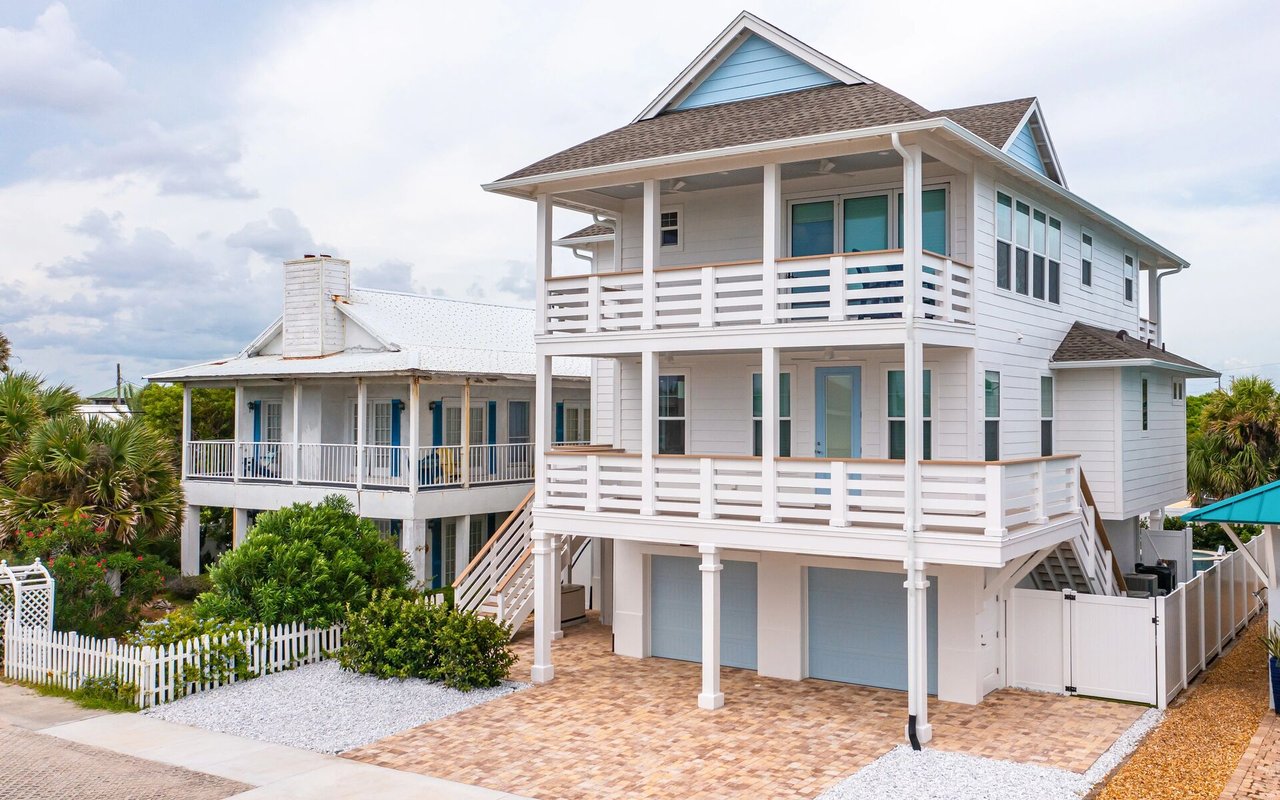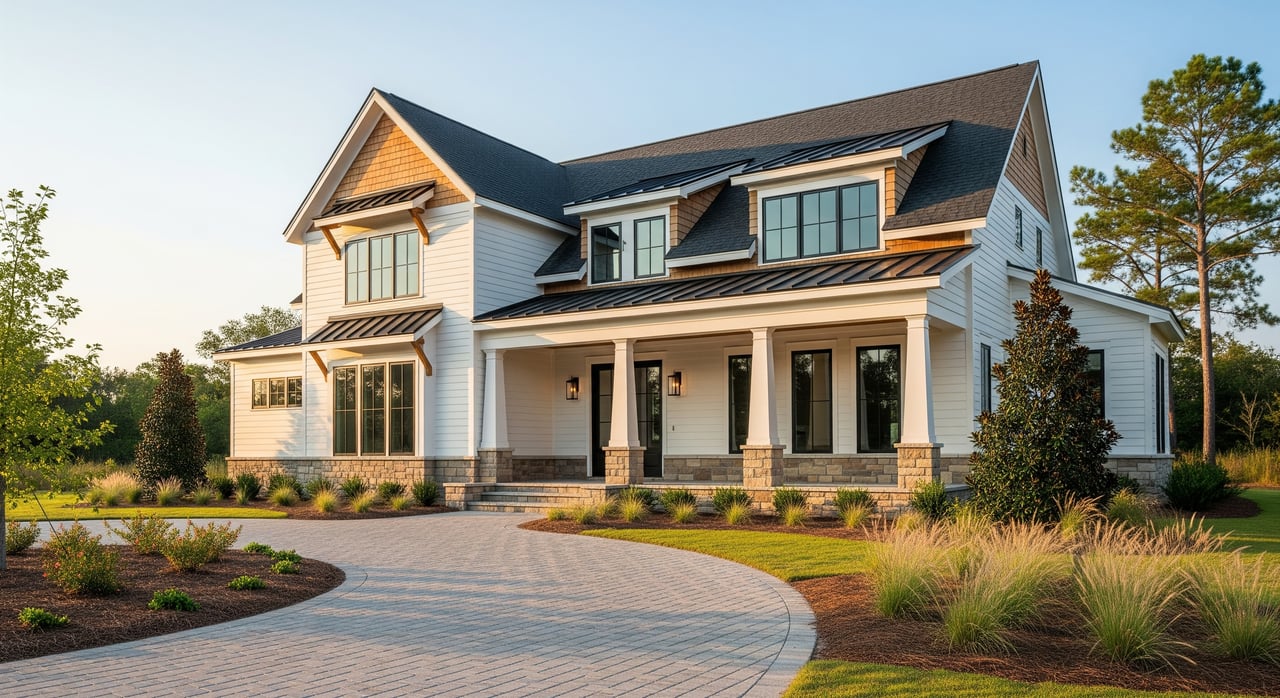
Choosing a new-construction home in Holly Ridge should feel exciting, not overwhelming. Yet with different builders, floor plans, and incentives competing for your attention, it can be hard to know where to start. You want a quality home, a fair price, and a smooth build or closing timeline. This guide gives you a clear, step-by-step way to compare builders, evaluate lots, understand warranties and HOAs, and plan efficient model tours so you can buy with confidence. Let’s dive in.
Verify builder reputation
A builder’s track record matters as much as the floor plan. Start with facts you can confirm and recent local results.
Check licenses and permits
Ask for the builder’s North Carolina contractor license number and verify it is active and in good standing. Look at local permit records in Onslow County or the Town of Holly Ridge to see recent projects and any code-enforcement actions. Confirm years in business and how many homes they have delivered in Holly Ridge and nearby communities.
Review reviews and references
Read patterns in consumer reviews and look for repeated issues such as slow warranty response or finish-quality concerns. Request references from buyers who closed within the last 12 to 24 months and, if possible, within the same community or plan series you are considering. Ask what repairs were needed after move-in and how quickly they were handled.
Tour completed homes
Model homes look great, but completed buyer homes show true finish level and consistency. Walk at least one finished home and look closely at tile lines, drywall seams, cabinet alignment, and exterior details. Small defects are normal. What matters is how the builder handles punch-list items and warranty service.
Understand warranties and service
New homes typically include layered warranty coverage. Knowing who administers it and how claims work helps you avoid surprises.
Know common coverage
Many builders provide a 1-year limited workmanship warranty, limited systems coverage for a few years, and a 10-year structural warranty. Specific terms vary. Get the full warranty document in writing before you sign.
Ask the right questions
- Who administers the warranty, the builder or a third-party provider?
- What is covered and excluded, including cosmetic items and consequential damage?
- How do you submit a claim and what response times are guaranteed?
- Is the warranty transferable to a new owner, and are there fees?
- What is the written policy for punch-list and post-occupancy repairs?
A clearly administered warranty improves your long-term experience and can help with resale value.
Evaluate lots and site risks
In coastal Onslow County, lot choice affects cost, insurance, and daily life. Do site homework before you fall in love with a floor plan.
Check flood risk and elevation
Look up the lot’s flood zone using official flood maps and confirm whether the site sits in a Special Flood Hazard Area. Ask the builder for grading plans and any elevation certificates. If the home needs an elevated foundation, clarify costs and timelines. Flood zone and elevation can influence insurance and financing.
Confirm utilities and drainage
Ask who provides water and sewer, whether the lot is on sewer or septic, and how stormwater is managed. If the community is built in phases, verify that utilities are active for your phase. Review plats to understand roads, retention ponds, and drainage swales, and who maintains them.
Ask about soils and site work
Request any available geotechnical or soil reports, especially on low-lying or filled lots. Clarify whether additional foundation or drainage work is required and who pays for it.
Compare features and pricing
Do not rely on the base price alone. You need a line-by-line view of what is included and what upgrades cost.
Request detailed documents
- Itemized standard features sheet that lists brands, materials, and efficiency ratings
- Upgrade price list or allowances, with deadlines for selections
- Lot and elevation premiums, plus any required add-ons
- Change-order policy, fees, and how changes affect timing
- Incentives and preferred-lender credits, and how they interact with appraisals
Normalize the total cost
You can compare apples to apples by converting each home to an “out-the-door” total.
- Start with base price
- Add lot premium and mandatory community fees
- Add your expected upgrades
- Estimate HOA dues and insurance, including flood if applicable
- Add typical closing costs
Normalize total cost across builders using the same finish level. Major brand differences, like windows or HVAC, can affect comfort and resale and should be weighed like dollar items.
Review HOA structure and rules
HOA documents shape both monthly costs and lifestyle. Review drafts of CC&Rs, bylaws, and budgets before you commit.
- Architectural review and exterior standards
- Yard, parking, and maintenance obligations
- Amenity plans and who maintains common areas
- Budget and reserves, including how the developer funds early obligations
- Special assessments or capital contributions
- Developer control period and turnover timeline
- Rental policies, including any caps or minimum lease terms
North Carolina’s Planned Community Act (Chapter 47F) sets rules for planned communities and disclosures. Ask questions until you understand the fees and restrictions that apply to your lot and home type.
Choose spec or presale
Both paths can work in Holly Ridge. Your timeline and customization preferences will guide the choice.
Spec homes
- Pros: Faster move-in and a finished product you can see.
- Cons: Fewer choices and you may pay for upgrades you would not have selected.
Presales
- Pros: You can select finishes and sometimes the lot and orientation.
- Cons: Longer timelines, potential for delays, and exposure to change-order costs.
Consider market conditions, your move-in date, and financing details like rate locks when you decide.
Plan inspections, contracts, and financing
Independent checks protect you, even in new construction.
Inspections
Ask the builder to allow third-party inspections at key stages such as pre-drywall and final. Hire a qualified home inspector for the final walkthrough, and consider specialists if concerns arise.
Contracts and deposits
Read the sales contract carefully. Confirm deposit amount and whether funds are held in escrow. Review contingencies for financing and appraisal, how cancellations work, and remedies if the builder cannot deliver on time.
Financing
Clarify incentives tied to preferred lenders. Ask about rate locks for longer presale timelines and how construction timelines align with your loan approval and closing date.
Step-by-step comparison checklist
Use this framework to gather consistent, comparable details from each builder.
Preliminary screening
- Verify contractor license and check local permit history
- Scan reviews for patterns and recent complaints
- Request two to three recent local buyer references
Collect documents
- Standard features sheet and upgrade pricing
- Warranty document and warranty administrator contact
- Lot plat, grading plan, and elevation certificate if applicable
- Draft CC&Rs, proposed budget, and fee schedule
- Sales contract and change-order policy
Normalize costs
- Base price + lot premium + chosen upgrades + HOA fees + estimated insurance + closing costs = your comparison price
Field checks
- Tour the model and at least two completed homes
- Ask to see recent punch-list examples and how they were resolved
- Call recent buyers about build quality and warranty responsiveness
Assess risk and red flags
- Deposits not held in escrow or unclear refund policies
- Repeated complaints about slow warranty response
- Unwillingness to share written warranty or HOA documents before contract
- Lots with unclear utility hookups, drainage issues, or special site costs
Tour model homes like a pro
Here is the efficient model-tour workflow I recommend to clients.
Before the tour
- Book tours back-to-back and request the model’s spec sheet in advance
- Ask for the base pricing sheet and current incentives
- Prepare a checklist covering warranty, features, upgrades, HOA, lot premiums, utilities, and timeline
At the tour
- Walk the plan and mark what is standard versus upgraded
- Photograph brands and efficiency ratings for appliances, windows, and HVAC n- Ask to see a finished buyer home if available
- Collect the documents listed in your checklist
After the tour
- Enter all costs and features into a comparison spreadsheet
- Follow up for any missing items like surveys, grading plans, or HOA budgets
- Revisit at a different time of day to assess traffic, lighting, and neighborhood activity
Negotiate next steps
- Use your normalized cost sheet to request credits or specific upgrades in writing
- Confirm financing and inspection allowances in your offer
- Verify deposit handling and timelines in the contract
Red flags to watch
Protect your budget and timeline by slowing down when you see these:
- No written warranty or missing warranty administrator contact
- Unclear deposit terms or refusal to share a sample contract before taking funds
- Missing HOA budgets or CC&Rs at contract time
- Lots that need extra site work without documented allowances or plans
Make your move with confidence
When you compare builders with the same set of facts, you make clearer decisions and avoid surprises. In Holly Ridge, paying close attention to lot conditions, HOA details, and warranty administration can make a meaningful difference in your total cost and long-term satisfaction. If you want a guided process and local insight from the first tour to the final walk-through, reach out to schedule a consultation with Alexis Allen.
FAQs
How do I verify a builder’s license in North Carolina?
- Ask for the license number, confirm it with the state licensing board, and review local permit records in Onslow County or the Town of Holly Ridge for recent activity.
What warranties are typical on new construction?
- Many builders offer 1-year limited workmanship coverage, limited systems coverage for a few years, and a 10-year structural warranty; always review the written warranty document.
Do I need an inspection on a brand-new home?
- Yes. Independent inspections at pre-drywall and final walk-through stages help catch issues early and support smoother warranty requests.
How do I compare a spec home to a presale?
- Normalize the total cost by listing base price, lot premiums, upgrades, HOA fees, insurance, and closing costs, then compare finish levels and major brands side by side.
What if the builder is unresponsive after closing?
- Document everything, submit formal warranty claims per the written process, escalate to the warranty administrator when applicable, and seek local consumer guidance if needed.