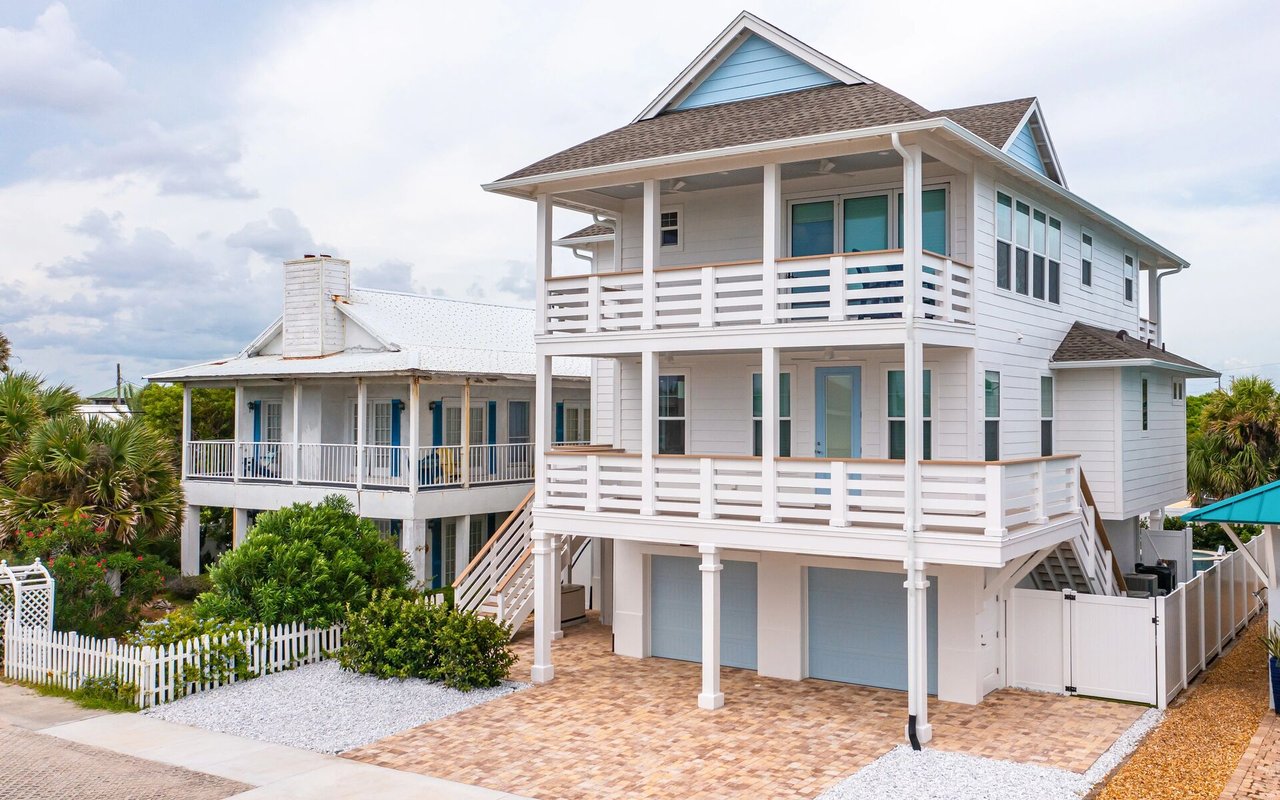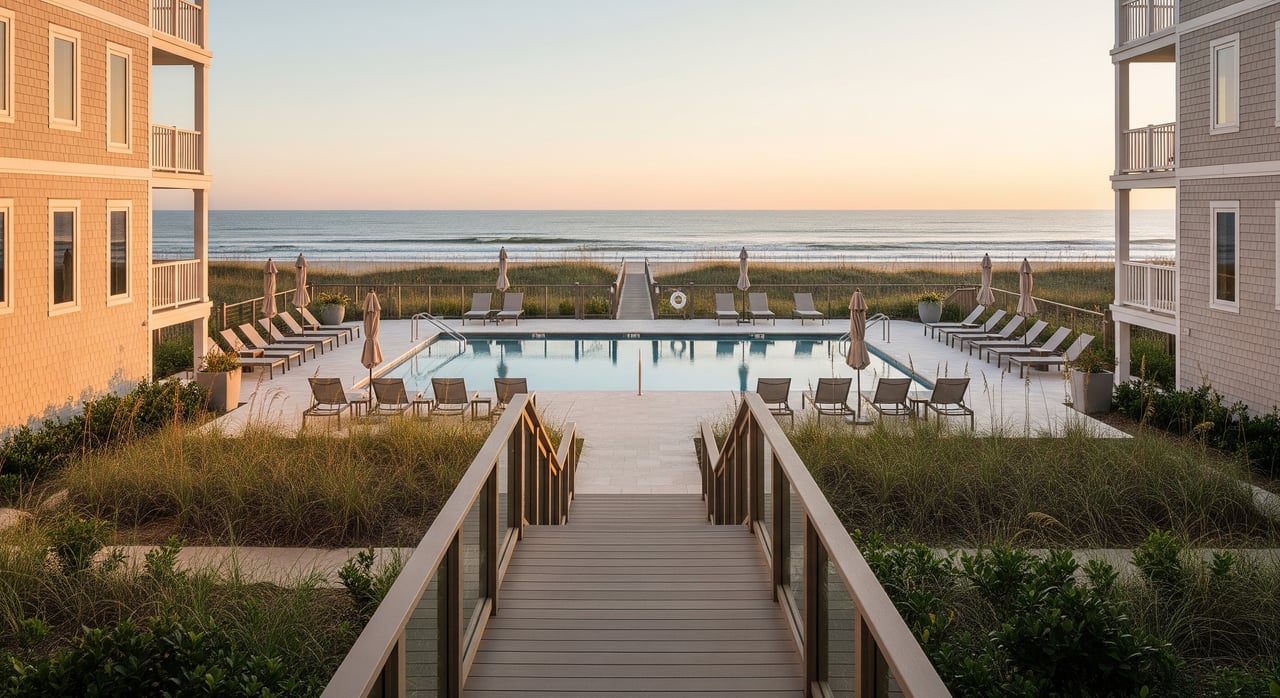
Thinking about a beach place on Topsail Beach and not sure if an HOA or a COA is the right fit? You are not alone. On our coast, the difference affects your dues, your insurance, your ability to rent, and even who pays when storms move sand or damage a seawall. In this guide, you will get a clear, practical breakdown of HOA versus COA, what dues usually cover, the rules you can expect, and the key documents to review before you buy. Let’s dive in.
HOA vs COA: quick overview
Both homeowners associations (HOAs) and condominium associations (COAs) set community rules and manage shared property. The difference is how ownership and responsibilities are structured.
- HOA: Governs planned communities of single-family homes or townhomes. Rules and budgets are set by the declaration, bylaws, and regulations under the North Carolina Planned Community Act.
- COA: Governs condominium buildings or complexes where you own your unit plus a share of common elements. The North Carolina Condominium Act and the community’s declaration and bylaws control what the master policy covers and what you insure.
Here is a simple comparison to help you weigh options on Topsail Beach.
| Topic | HOA (Planned Community) | COA (Condominium) |
|---|---|---|
| Insurance responsibility | Owners often insure the home’s structure and interior; association insures common areas. | Association master policy often insures building structure and common elements; owners carry an HO-6 for interiors and contents. |
| Exterior maintenance | Owners frequently handle exterior upkeep of their home; HOA covers community areas. | Association typically manages exterior, roof, elevators, and shared systems. |
| Dues often include | Common-area maintenance, landscaping, private drives, amenities, management, reserves. | Building insurance, exterior maintenance, elevators, common utilities, amenities, management, reserves. |
| Renovation approval | Architectural review often required for exterior changes; specs may include coastal materials. | Interior changes may be limited by building systems; exterior changes require association approval. |
| Coastal assets | May include dunes, beach access paths, bulkheads shared by owners or the HOA. | Common coastal elements like roofs, walkovers, seawalls are often association obligations. |
Topsail Beach coastal factors to weigh
Coastal ownership adds variables you need to evaluate early. Flood and wind exposure can make insurance a large part of dues in condo communities and a larger out-of-pocket item in HOAs. Dune and seawall responsibilities also vary, and those projects can be expensive.
Ask who maintains dune walkovers, sand fencing, and any bulkheads or revetments. Clarify whether the association participates in beach access or nourishment agreements and how unexpected storm repairs are funded. These details affect both risk and long-term costs.
What dues typically cover
Dues on Topsail Beach vary by property type, amenities, building age, and insurance. Always request the current operating budget and recent financials. Typical line items include:
- Common-area maintenance: Landscaping, exterior cleaning and painting, pool and amenity care, elevator service, parking lot repair.
- Insurance: Master policy for common areas and, in condos, sometimes walls-in coverage. You still may need unit-owner coverage and personal liability. Flood and wind can be separate policies on the coast.
- Utilities and services: Water, sewer, trash, common-area electricity, and sometimes bulk cable or internet.
- Management and administration: Professional management fees, legal and accounting, mailings, websites or owner portals.
- Reserves: Funds for future capital projects like roofs, paving, structural work, and coastal infrastructure.
- Amenities and security: Pool, clubhouse, private beach access upkeep, dune walkovers, boat or trailer parking.
- Storm and emergency repairs: Immediate post-storm work, which may supplement insurance.
Coastal specifics to check: dune responsibilities, bulkhead or seawall maintenance, stormwater and erosion mitigation, and any agreements with the Town of Topsail Beach for beach access or renourishment.
Rules you will likely see
Every community is different, but common rules on Topsail Beach include:
- Rentals: Short-term rental policies, minimum stays, registration, occupancy limits, parking rules, and cleaning standards. Some communities limit or prohibit short-term rentals.
- Pets: Limits on number or size, leash rules, waste pickup, and where pets can be on common property.
- Exterior and architecture: Approved paint colors, deck or fence specs, hurricane shutter requirements, and window and door standards. Most exterior work needs approval.
- Parking and vehicles: Limits on the number of vehicles, placement of trailers and boats, and guest parking.
- Noise, occupancy, and use of common areas: Quiet hours and pool, clubhouse, and beach path rules with a focus on dune protection.
- Owner insurance and maintenance: Requirements to keep insurance and maintain interiors to set standards.
- Enforcement: Fines or suspension of privileges for repeated violations.
You may also see hurricane preparedness rules, cleanup procedures, and restrictions on temporary storage during storm repairs.
Documents to request before you buy
Ask for these items before you go under contract, or make your offer contingent on review. You can keep the request simple, and I can obtain these on your behalf.
- Declaration/CC&Rs or Condominium Declaration
- Bylaws and Articles of Incorporation
- Current Rules and Regulations
- Current operating budget and recent financial statements
- Reserve study (if available) and current reserve balance
- Insurance certificates and master policy summary with deductibles for wind and flood
- Assessment ledger or statement of delinquent assessments
- Board meeting minutes from the last 12 to 24 months
- Resale, estoppel, or certificate of status with current dues and any pending assessments
- Pending litigation disclosure
- Management agreement, if professionally managed
- Warranties and developer transition documents for newer communities
- Architectural guidelines and modification applications
- Rental registration and occupancy tax procedures if rentals are allowed
- Recent inspection reports for structures, roofs, elevators, and key systems, if available
Practical review tips: Confirm which parts of the building the master policy insures and which are yours. Note wind and flood deductibles. Scan minutes for shoreline work, seawalls, dune nourishment, or structural issues that could lead to special assessments. If it is a condo, check owner-occupancy levels, since that can affect financing options.
How to read the numbers: financial health
A strong association signals fewer surprises. Focus on these indicators:
- Reserves and reserve study: Adequate reserves reduce the risk of large special assessments later.
- Special assessments: Frequent or recent assessments can indicate underfunding or big capital needs.
- Delinquencies: A high delinquency rate puts pressure on the budget and can lead to more assessments.
- Insurance history: Multiple recent claims can reveal chronic storm or structural challenges.
- Litigation: Pending lawsuits can create significant costs.
- Dues increases: Rapid increases without a plan may reflect rising insurance costs or weak budgeting.
Investigate further if the association delays providing documents, remains under developer control with unclear obligations, relies on short-term rental income to balance the budget, or is responsible for expensive coastal infrastructure without reserves.
Insurance, flood, and lending basics
Coastal homes face flood and wind risks that you should price and understand early. Most lenders require flood insurance when a property is in a mapped flood zone. Even when not required, flood risk on Topsail Beach is real, so ask for a Flood Insurance Rate Map determination and an Elevation Certificate if available.
In a condo, learn how the master policy defines coverage. Some policies are single-entity or all-in, while others leave more to your HO-6 policy. Pay attention to windstorm or hurricane deductibles, which may be higher on the coast and can lead to owner assessments after a storm.
If you plan to use FHA, VA, or certain conventional loans for a condo, confirm whether the project meets lender requirements. Owner-occupancy levels, litigation, and insurance can affect eligibility.
How decisions get made
Your rights and responsibilities come from the governing documents. Review how the board is elected, what powers it has, and what voting thresholds are required for special assessments, amendments, or major projects. Note whether the community is self-managed or uses a professional management company, and review any developer control provisions and timelines for transition in newer projects.
Quick questions to send the association
Use this short list to get fast clarity. I can submit it for you and follow up on the responses.
- What exactly is included in current dues? Please provide the line-item budget and most recent financials.
- Are there pending or planned special assessments? Have there been any in the last 5 years?
- What does the master insurance policy cover, and what are the wind and flood deductibles?
- Who is responsible for dunes, dune walkovers, bulkheads, or seawalls, and how are those funded?
- What is the short-term rental policy and any permit or occupancy requirements?
- What percentage of homes or units are owner-occupied versus rented?
- Are there known structural concerns or recent major claims?
- Is the community professionally managed, and can we review the management contract?
- Is there any pending litigation?
- How long does it take to receive the resale or estoppel certificate?
Next steps for Topsail Beach buyers
If you are comparing an HOA townhome to a COA condo, start with insurance and coastal responsibilities, then review reserves, minutes, and rental rules. Price the total cost of ownership, including dues, likely insurance, and potential assessments tied to dunes or seawalls. When documents raise questions, consider a legal review, and get early estimates from an insurance agent so you can plan your budget.
If you want a local, client-first partner to coordinate documents, explain what you are seeing in plain language, and negotiate with confidence, reach out to Alexis Allen. Let’s make your Topsail Beach decision clear and smooth.
FAQs
What is the main difference between an HOA and a COA on Topsail Beach?
- An HOA typically governs homes in a planned community where owners handle more of their own exterior and insurance, while a COA governs condos where the association’s master policy usually covers the building and common elements.
What do condo dues on Topsail Beach usually include?
- They often include master insurance, exterior and roof maintenance, elevators, common utilities, amenities, management, and reserves, with owners carrying an HO-6 policy for interior coverage.
How do dunes, seawalls, and beach access affect my costs?
- If the association maintains dunes, walkovers, bulkheads, or seawalls, those projects can drive dues or special assessments, so confirm responsibilities and reserve funding in the documents.
What documents should I review before buying in a coastal community?
- Request the declaration, bylaws, rules, budget, financials, reserve study, insurance certificates with deductibles, minutes, estoppel or resale certificate, litigation disclosures, and management agreement.
How do flood and wind deductibles impact me as an owner?
- Higher hurricane or wind deductibles can lead to larger out-of-pocket costs or owner assessments after storms, so understand the deductible structure and who pays what.
Can short-term rentals affect financing for a condo purchase?
- Yes, high rental percentages can impact lender programs and project approvals, so verify owner-occupancy levels and any rental restrictions with the association.
Who can help me get association documents and evaluate risk in Pender County?
- Your agent can request and organize documents, coordinate insurance quotes, and flag issues for legal review so you can make an informed decision before you buy.