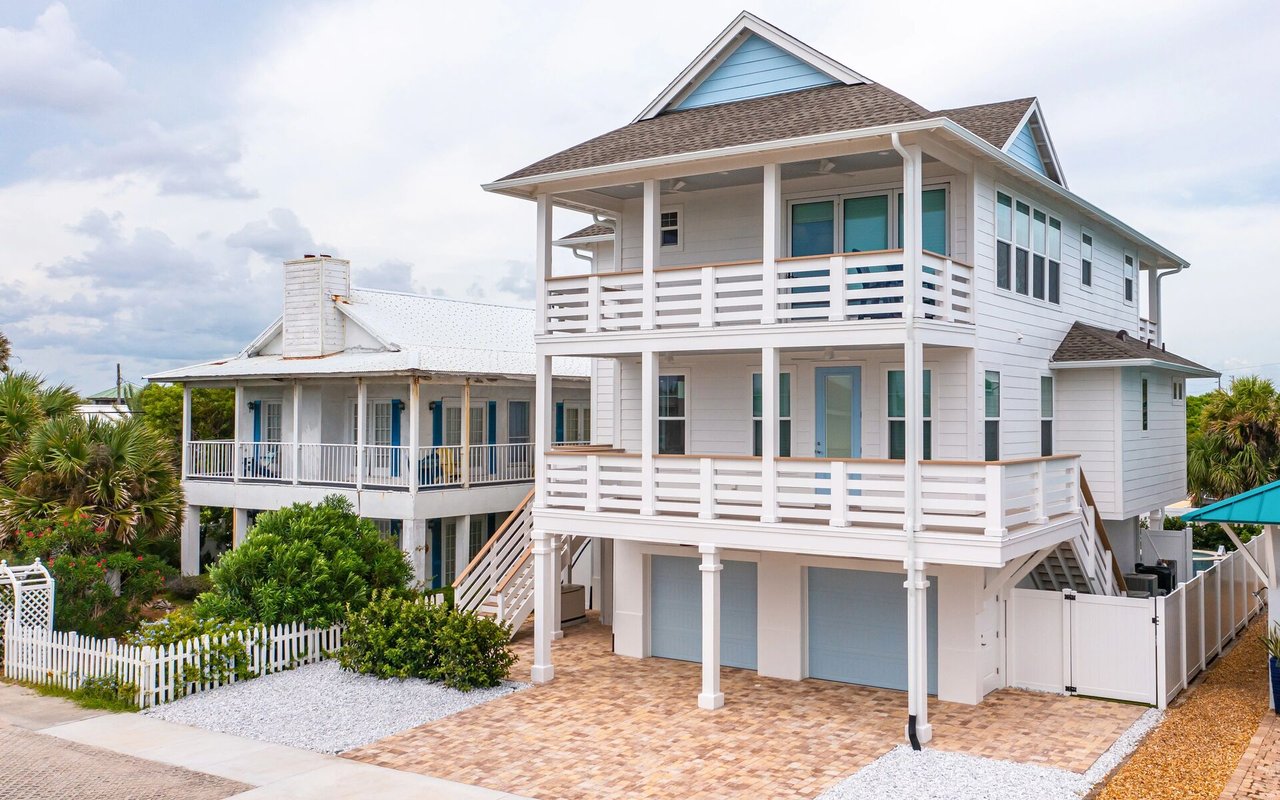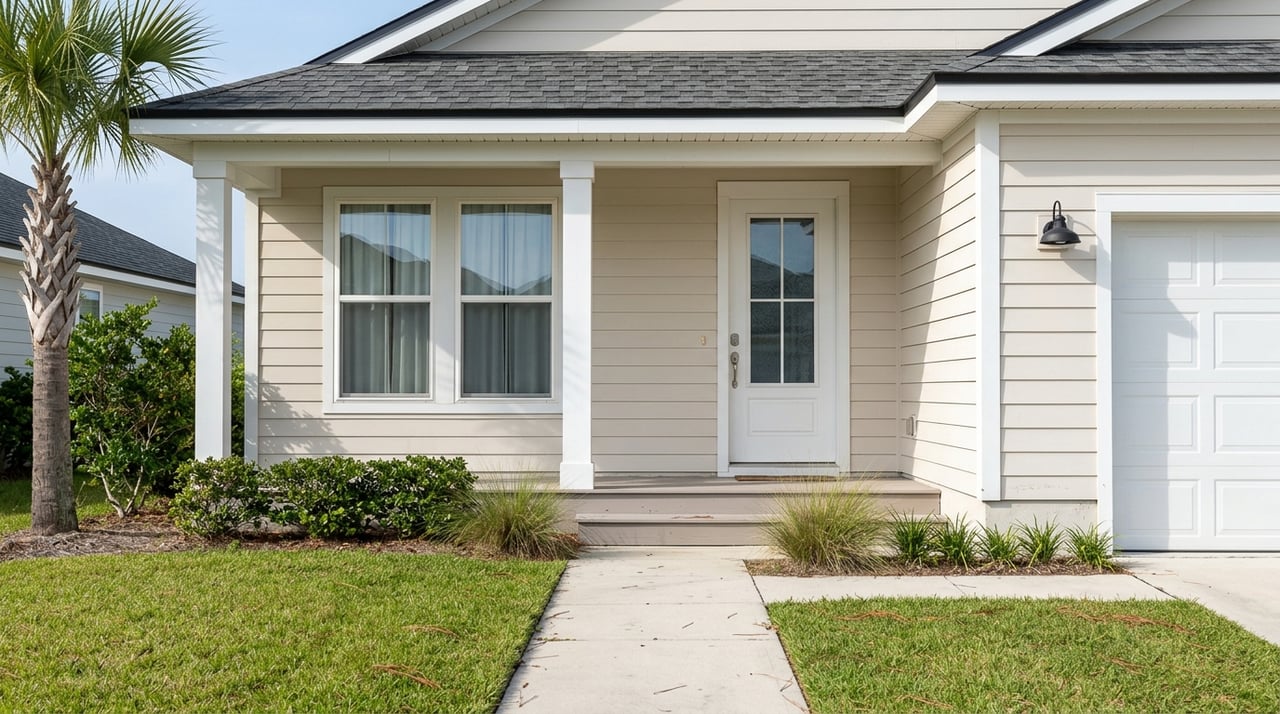
Buying in Emerald Isle is not just about choosing more bedrooms or less square footage. It is about matching your beach home to how you want to live, what level of upkeep you can handle, and how comfortable you are with the realities of owning on a barrier island. If you are weighing a cozy cottage against a larger home, this guide will help you think through the trade-offs that matter most in Emerald Isle. Let’s dive in.
Why this choice matters in Emerald Isle
Emerald Isle has a very specific housing story. The town sits on a barrier island and has about 12 miles of south-facing beaches, with a permanent population of 3,797 that can swell to 50,000 in peak season. That big seasonal shift shapes how homes are used, maintained, and valued.
The local housing stock also points to a coastal, second-home-driven market. Census data shows 6,896 housing units, a 72% vacancy rate, and a housing mix led by single-unit structures. Owner-occupied home values are also much higher than the state median, which reinforces that this is not a typical inland market.
That means your decision is rarely just cottage versus large home. In Emerald Isle, it is also about location, flood exposure, insurance, access, seasonal use, and long-term flexibility.
When a beach cottage makes sense
A smaller beach cottage can be a smart fit if you want a simpler place to enjoy the coast. Many buyers like the smaller footprint because it can mean less furnishing, fewer interior systems, and a more relaxed part-time ownership experience.
This type of home often works well if your goal is personal use over large-group hosting. If you picture quiet weekends, shorter stays, and a home that feels easy to open up and enjoy, a cottage may line up with that lifestyle.
It can also feel more manageable from a day-to-day standpoint. With less interior space, cleaning, furnishing, and seasonal prep may be less demanding than in a larger property.
What a cottage does not eliminate
A smaller home does not remove coastal ownership responsibilities. The Town of Emerald Isle advises buyers to verify current flood maps and local regulations before purchase, and even modest homes can be affected by flood exposure, storm surge, and dune-related restrictions.
That is an important point in this market. A cottage may be smaller, but the lot location and flood conditions can matter more than the square footage itself.
If the property has trees, dunes, or natural vegetation, you may also need to pay attention to permit rules. Emerald Isle notes that tree removal often requires a permit, and dune and vegetation work can require site-plan review and protection of natural areas.
When a larger home makes sense
A larger single-family home can be the better fit if you want room to spread out. That might mean full-time living, hosting extended family, creating space for multigenerational visits, or simply wanting more flexibility in how the home functions over time.
This choice also matches Emerald Isle’s housing profile. Single-unit homes make up the majority of the housing stock, and the town states that most of its land mass is developed as single-family residential neighborhoods.
If rental income is part of your plan, a larger home may also offer more guest capacity. More bedrooms can support a different rental strategy than a smaller cottage, especially in a town where seasonal demand plays a major role.
What comes with more space
More house usually means more carrying cost and more maintenance. That can include more exterior surface area, more systems to monitor, and more furnishings to manage if the property will be used seasonally or as a vacation rental.
On the coast, those added responsibilities matter even more. Buyers should think carefully about flood insurance, wind coverage, and erosion-related concerns before deciding that larger automatically means better.
Emerald Isle also has a substantial-improvement rule that can affect future renovation plans. If reconstruction, rehabilitation, additions, or other improvements reach 50% or more of a building’s market value, the structure may have to meet new-construction standards.
A third option: low-maintenance properties
Some buyers are really deciding between a cottage, a larger home, and a lower-maintenance setup. Emerald Isle does include some multi-unit housing, even though single-unit homes are the majority.
If your goal is a lock-and-leave property with less day-to-day exterior work, an attached or association-managed option may be worth considering. This can appeal to buyers who want coastal access without taking on every exterior maintenance task themselves.
That said, convenience should still be verified, not assumed. You will want to check HOA rules, parking, and rental permissions early in the process.
Coastal costs to compare before you decide
In Emerald Isle, ownership costs can look very different from what buyers expect inland. Before choosing a smaller or larger property, compare the full ownership picture.
Insurance and flood exposure
The Town of Emerald Isle states that homeowners insurance does not cover flood losses. It also notes that flood insurance has a 30-day waiting period before it becomes active, so timing matters.
North Carolina’s Department of Insurance also states that standard homeowners policies do not cover flood damage, and some coastal policies may exclude windstorm and hail. That makes it essential to review insurance needs before you commit to a home based only on size or style.
Property tax structure
Emerald Isle’s FY 2026-27 budget ordinance sets a general fund tax rate of $0.110 per $100 of assessed value and a primary oceanfront municipal service district rate of $0.022. Carteret County’s 2025-26 countywide rate is $0.225 per $100.
The town also notes that Carteret County bills and collects Emerald Isle property taxes. Real property is reappraised on a four-year cycle, with the last reappraisal completed for tax year 2025.
Maintenance and lot rules
A bigger lot or a more natural setting can be appealing, but it may come with more oversight than you expect. Tree removal often requires a permit, and local dunes and vegetation rules are designed to protect natural areas.
This is why “low maintenance” means something different on a barrier island. Whether you buy a cottage or a larger home, the site itself can create work, cost, and compliance issues.
If rental income is part of your plan
Many Emerald Isle buyers want a home that can support both personal enjoyment and rental income. If that sounds like you, the size of the home matters, but it is only one part of the equation.
Carteret County levies a 6% occupancy tax on gross receipts from rental accommodations, including houses and condominium rentals booked through platforms such as Airbnb and VRBO. That tax does not apply to accommodations rented to the same person for 90 or more continuous days, and filings are due monthly.
That means your rental math should be based on net expectations after taxes and operations, not just gross income assumptions. A larger home may support more guests, but it may also create more expenses and more moving parts.
Larger rentals have more logistics
Emerald Isle’s visitor amenities help support seasonal demand. The town offers public beach and sound access, boat and kayak launches, paid beach parking during the summer season, lifeguards from April through September, and seasonal beach driving permits.
At the same time, rental ownership comes with practical rules. The town’s FAQ states that residential vacation rental units must use one 96-gallon roll-out container per three bedrooms, and recycling container sizing also follows bedroom count.
In simple terms, more bedrooms can mean more rental capacity, but they can also mean more operations. Trash, turnover, parking, guest management, and seasonal coordination all become more important as home size grows.
Questions to ask yourself first
Before you narrow your search, it helps to get clear on your real goal. In Emerald Isle, your best choice usually comes down to how you want to balance lifestyle, risk, and flexibility.
Ask yourself:
- Will you use the property mostly for personal getaways, full-time living, or a mix of personal use and rentals?
- Do you want a smaller footprint that feels easier to furnish and manage?
- Do you need space for guests, larger gatherings, or multigenerational stays?
- How comfortable are you with coastal insurance, flood-zone research, and storm-related planning?
- Do you want a lock-and-leave setup, or are you comfortable managing more exterior upkeep?
- Is rental income a bonus, or is it central to your ownership plan?
- How important are parking, access, and lot features to your day-to-day use?
Your answers will usually point you in the right direction faster than square footage alone.
A simple decision framework
If you want a quick way to think through the choice, start here:
Choose a cottage if you want
- A smaller footprint
- Simpler furnishing and setup
- A more intimate beach-use experience
- A home mainly for part-time or seasonal enjoyment
Choose a larger home if you want
- More room for full-time living
- Space for extended family or larger groups
- Greater guest capacity
- A rental approach that depends on bedroom count
Choose a lower-maintenance option if you want
- Lock-and-leave convenience
- Less exterior upkeep
- A simpler ownership routine
- Coastal access with fewer day-to-day responsibilities
No matter which direction you lean, make sure you filter the decision through flood zone, insurance, parking, rental rules, and lot restrictions. In Emerald Isle, those factors often matter just as much as the house itself.
If you want help comparing cottages, larger homes, or low-maintenance options in Emerald Isle, Alexis Allen can help you look beyond square footage and focus on the coastal details that shape the right decision.
FAQs
What makes Emerald Isle different from many inland housing markets?
- Emerald Isle is a barrier-island market with a large seasonal population swing, a housing stock dominated by single-unit homes, and ownership factors like flood exposure, wind coverage, and lot restrictions that can carry more weight than square footage alone.
Is a smaller cottage in Emerald Isle easier to own?
- A cottage can feel easier to furnish and manage, but it does not remove coastal responsibilities like flood-map review, insurance planning, and local rules for dunes, vegetation, and site work.
Why might a larger Emerald Isle home be worth it?
- A larger home may be a better fit if you want more room for full-time living, extended family stays, or a rental strategy built around more bedrooms and guest capacity.
What should buyers know about flood insurance in Emerald Isle?
- The Town of Emerald Isle states that homeowners insurance does not cover flood losses, and flood insurance has a 30-day waiting period before it becomes active, so buyers should review flood maps and insurance needs before closing.
Are vacation rentals in Emerald Isle subject to local taxes?
- Yes. Carteret County levies a 6% occupancy tax on gross receipts from rental accommodations, including house and condominium rentals, with monthly filing requirements.
Do lot features matter as much as house size in Emerald Isle?
- Yes. Tree removal often requires a permit, dune and vegetation protections can affect what you can do on a property, and flood exposure or erosion-related conditions may influence ownership more than the home’s square footage.
How can you choose between a cottage and a larger home in Emerald Isle?
- The best choice usually depends on how you plan to use the property, your comfort with coastal maintenance and insurance, whether rental income is part of the plan, and how much space you truly need.