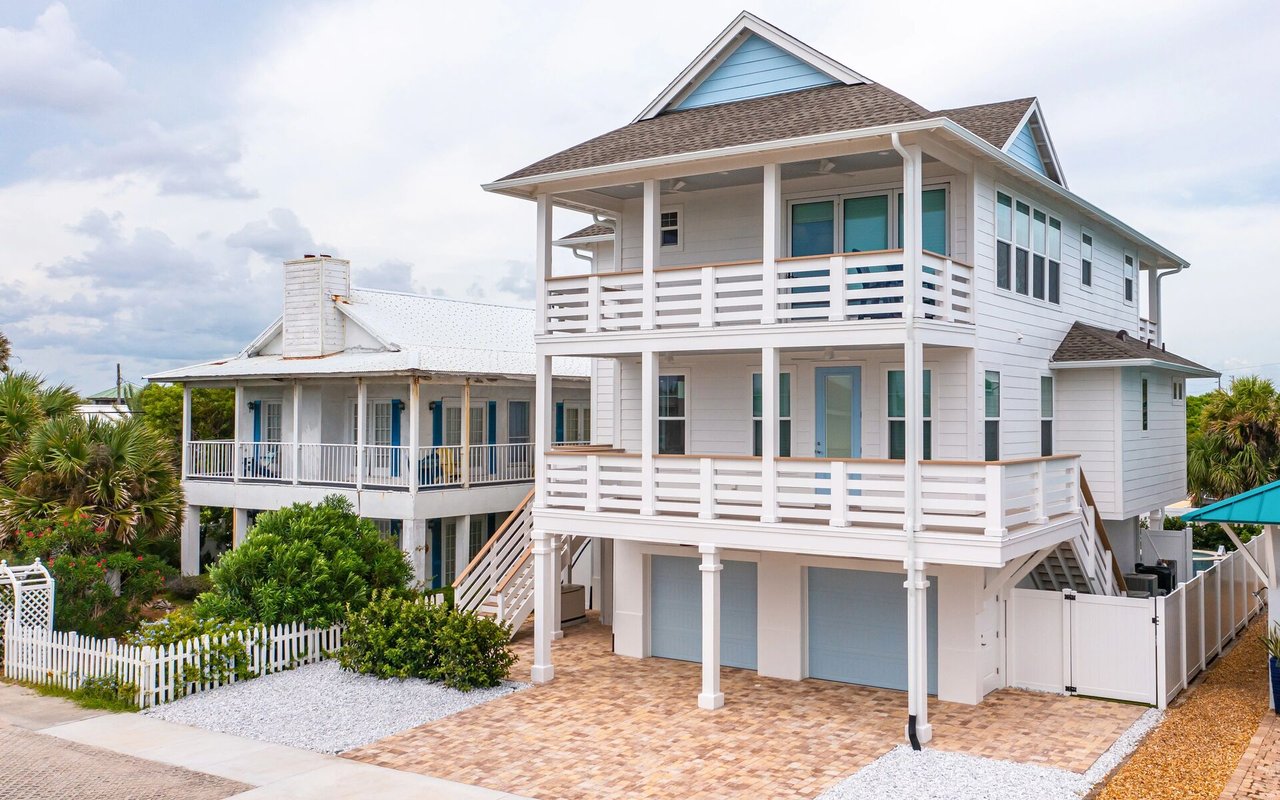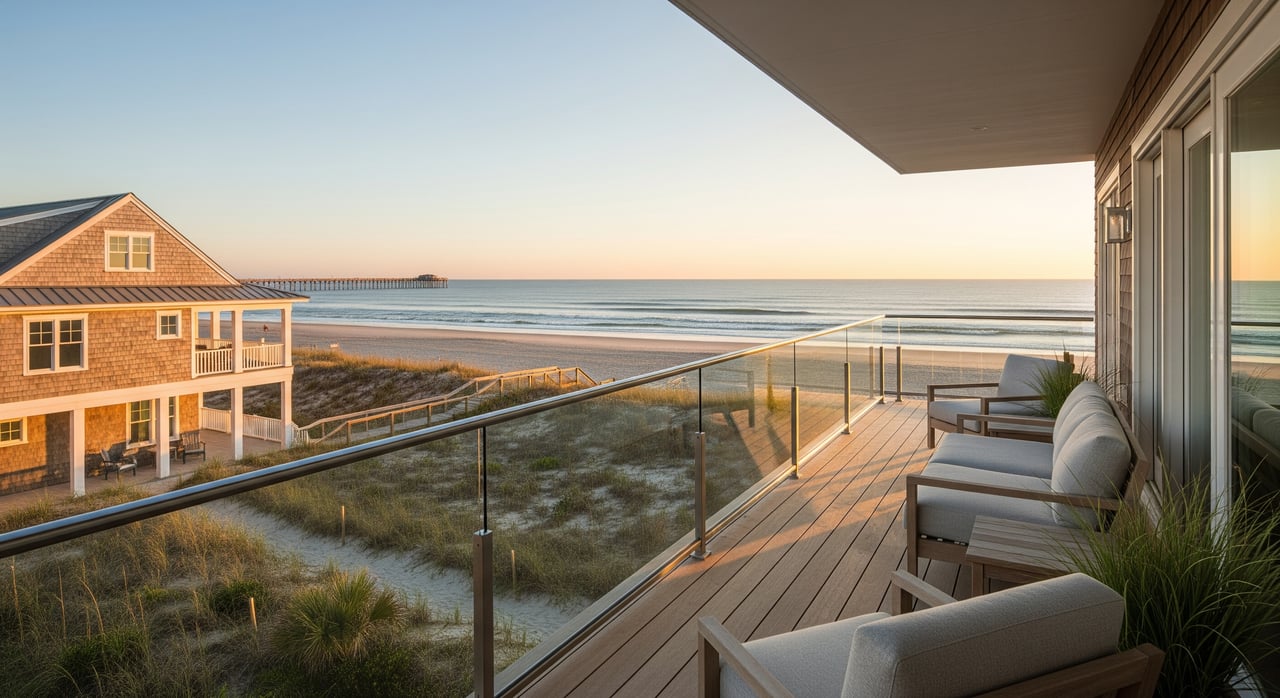
Trying to choose between a Surf City condo and a single-family house? You want the beach lifestyle without surprises, but ownership rules, insurance, and HOA details can feel confusing on the coast. In this guide, you’ll learn how condos and houses differ in ownership, maintenance, insurance, and association governance in Surf City. You’ll also get practical checklists so you can move forward with confidence. Let’s dive in.
Condo vs house at a glance
- Condo: You own the interior of your unit plus a share of common areas. A condo association manages the exterior, structure, and shared amenities, funded by monthly fees.
- Single-family home: You own the land and the entire structure. You control decisions and costs, and you are responsible for all maintenance unless a neighborhood HOA handles some items.
- Coastal factor: Salt, wind, and storms add wear and risk. Your plan for maintenance, flood exposure, and wind/hurricane coverage should influence your choice.
Ownership and governance in North Carolina
North Carolina law recognizes different frameworks for condos and planned communities. In a condo, your title is to the unit interior plus an undivided interest in common elements. Rules and responsibilities are set by the condominium declaration, bylaws, and an elected board.
With a single-family home, you own the lot and the building. If the home sits inside a planned community, an HOA may govern shared rules and amenities. If not, you set your own exterior maintenance and improvement schedule.
Unit boundaries and responsibilities can vary by condo. Many Surf City condo declarations set your responsibility to the finished interior surfaces, while the association handles exterior walls, roof, structure, and common systems. Always confirm the exact boundary language in the declaration.
For condo resales, expect a resale packet that includes governing documents, budgets, insurance summaries, meeting minutes, and any known litigation or special assessments. Review these early in your due diligence.
Maintenance on the coast
Condo maintenance
In many Surf City condos, the association handles the building exterior, roof, common landscaping, parking, beach access structures, and amenities like pools. Your focus is the interior of your unit and in-unit systems that are not owned by the association. Monthly fees typically fund exterior repairs, building insurance for common elements, reserves, and shared utilities.
Coastal conditions matter. Salt spray, humidity, and sand increase wear on decks, railings, metal hardware, and HVAC equipment. Confirm how the association addresses corrosion control, exterior paint cycles, and storm repair plans.
Single-family maintenance
As a single-family homeowner, you handle everything on your lot, including exterior siding, roof, decks, pilings or foundations, driveway, and yard. You may also manage septic if the property is not on municipal sewer. Coastal homes need more frequent exterior upkeep due to wind, salt, and storms. Budget for ongoing deck and railing care, corrosion-resistant fixtures, and prompt moisture control to reduce mold risk.
Insurance and flood risk
Coastal insurance has two parts: your homeowner or condo policy and separate flood coverage. Know what each policy covers, where deductibles apply, and how your flood zone affects requirements.
Condo coverage structure
Condo buildings are typically insured by a master policy. Some are “all-in,” extending coverage to certain interior components, while others are “bare walls,” covering only the structure and common areas. You will usually purchase an HO-6 policy to cover interior finishes, personal property, loss of use, and liability. Ask whether your HO-6 includes coverage for association assessments and confirm the limit.
For wind and hurricanes, verify how the master policy treats wind damage to the building shell. Confirm the master policy’s deductible and whether the association can pass a portion of it to owners after a storm.
Single-family coverage structure
Single-family policies are commonly HO-3 or HO-5. On the coast, expect separate hurricane or windstorm deductibles, sometimes expressed as a percentage of the dwelling coverage. Insurers consider mitigation features like impact windows, storm shutters, and roof tie-downs when pricing and underwriting.
Flood insurance in Surf City
Flood damage is not covered by standard homeowners or condo policies. If the property is in a FEMA Special Flood Hazard Area, lenders usually require a flood policy. Many Surf City and Topsail Island properties fall into AE or VE zones. Elevation certificates play a key role in pricing and confirming Base Flood Elevation compliance. You can compare NFIP and private flood options to see which best fits coverage needs and timelines.
What to verify before you bind
- Association master policy type, limits, and deductibles
- Whether assessment coverage is included in your HO-6 and its limit
- Wind/hurricane deductible details for all policies
- Flood zone, elevation certificate, and quotes from NFIP and private carriers
- Any recent claim history and whether policies are full replacement cost
HOA/COA rules, budgets, and reserves
Association governance affects your experience and costs as an owner. Boards manage budgets, reserves, and rules. Review meeting minutes to understand current issues, maintenance plans, and governance style.
Pay close attention to financial health. Red flags include low or no reserves, frequent special assessments, unusually high delinquency rates, poor records, and pending litigation. In coastal settings, reserve planning for roofs, siding, elevators, parking, seawalls, and beach access structures is critical.
If you plan to rent the property, confirm rental rules in the governing documents and any Surf City ordinances. Some associations allow short-term rentals, others impose minimum stays or registration requirements.
Utilities, septic, and permits
Service availability can vary block by block. Some Surf City properties are on municipal water and sewer; others use septic. Confirm connections, maintenance responsibilities, and any utility easements. For improvements, know that coastal development may require approvals through state and local coastal management and zoning. Verify permits for past work and ask about any required coastal permits for future plans.
Which choice fits your goals?
Choose a condo if you want simplified exterior upkeep, shared amenities, and are comfortable with association rules and fees. This can be ideal if you prefer lock-and-leave living or plan to use the home part-time.
Choose a single-family home if you want full control over maintenance, yard space, and improvements, and you are ready to manage coastal upkeep directly. This path offers flexibility but also places all exterior responsibility on you.
Either way, coastal risk planning matters. Your flood zone, elevation, wind mitigation features, and association policies will shape your long-term costs.
Buyer checklists
Condo buyer checklist
- Request the resale packet, declaration, bylaws, rules, and recent amendments
- Get the master insurance policy and confirm deductibles and coverage type
- Review 12–36 months of meeting minutes, budgets, and financials
- Ask for reserve studies and near-term capital plans (roof, siding, elevators)
- Confirm rental rules, parking, guest policies, and any pending litigation
- Verify flood zone, elevation certificate, and get flood and wind quotes early
Single-family buyer checklist
- Confirm flood zone and request an elevation certificate if available
- Get early homeowner, wind, and flood insurance quotes and deductible terms
- Inspect pilings, decks, siding, roof, and any erosion or dune protection
- Verify utility connections, septic condition if applicable, and easements
- Hire a coastal-experienced home inspector and, if needed, an engineer
Next steps in Surf City
- Engage a local agent experienced with Surf City and Topsail Island properties.
- If you are considering a condo, request the resale packet and master policy early.
- Verify flood zone and gather elevation data, then get flood and wind quotes.
- Review association financials and meeting minutes before you make an offer.
- Confirm rental rules at both the association and municipal levels.
When you are ready to compare specific properties, I am here to help you weigh the tradeoffs and protect your time and budget. Reach out to Alexis Allen to get personalized guidance and a step-by-step plan for your Surf City search.
FAQs
What is the main legal difference between Surf City condos and houses?
- Condos include ownership of the unit interior plus a shared interest in common areas managed by an association, while single-family homes include the land and the entire structure you control.
How do condo fees work in Surf City?
- Monthly fees typically fund exterior maintenance, master building insurance, reserves, and common utilities or amenities; always check the budget to see what is included.
Do I need flood insurance for a Surf City property?
- If the home is in a FEMA Special Flood Hazard Area (such as AE or VE), lenders usually require a flood policy; elevation certificates help determine pricing and compliance.
What does a condo master policy usually cover?
- It covers the building structure and common elements; coverage can be “all-in” or “bare walls,” so confirm what the association policy handles versus your HO-6 policy.
How do hurricane deductibles affect my cost?
- Many coastal policies use separate wind or hurricane deductibles, sometimes as a percentage of dwelling coverage; confirm amounts and how they apply to claims.
Can I short-term rent a Surf City condo?
- It depends on the association’s rules and local ordinances; verify minimum stays, registration requirements, and any municipal licensing or tax rules before you buy.
What coastal maintenance should I expect for a house?
- Plan for frequent care of decks, railings, siding, and metal fixtures due to salt and wind, plus strong moisture control to reduce mold risk.