Thinking about buying a home in New Bern? You are not alone. This riverfront city offers a rare mix of historic character, water access, and everyday livability that draws everyone from first-time buyers to relocation clients and second-home shoppers. If you want to understand how New Bern’s housing choices, flood considerations, and historic district rules can shape your decision, this guide will help you sort through the details with confidence. Let’s dive in.
Why New Bern Stands Out
New Bern sits where the Neuse and Trent Rivers meet, and that setting shapes both the city’s lifestyle and its housing market. The city is known as North Carolina’s first state capital, was founded in 1710, and is recognized as the second oldest town in the state.
That mix of history and waterfront living gives New Bern a feel that is different from many other coastal-adjacent markets in eastern North Carolina. You can find downtown shops and dining, boating access, public parks along the water, and relatively easy access to Atlantic beaches, all without needing to buy directly on the oceanfront.
From a market standpoint, New Bern offers a broad range of price points and ownership options. U.S. Census QuickFacts reports a 59.7% owner-occupied housing rate, a median owner-occupied home value of $240,100, median monthly owner costs with a mortgage of $1,504, and median gross rent of $1,081.
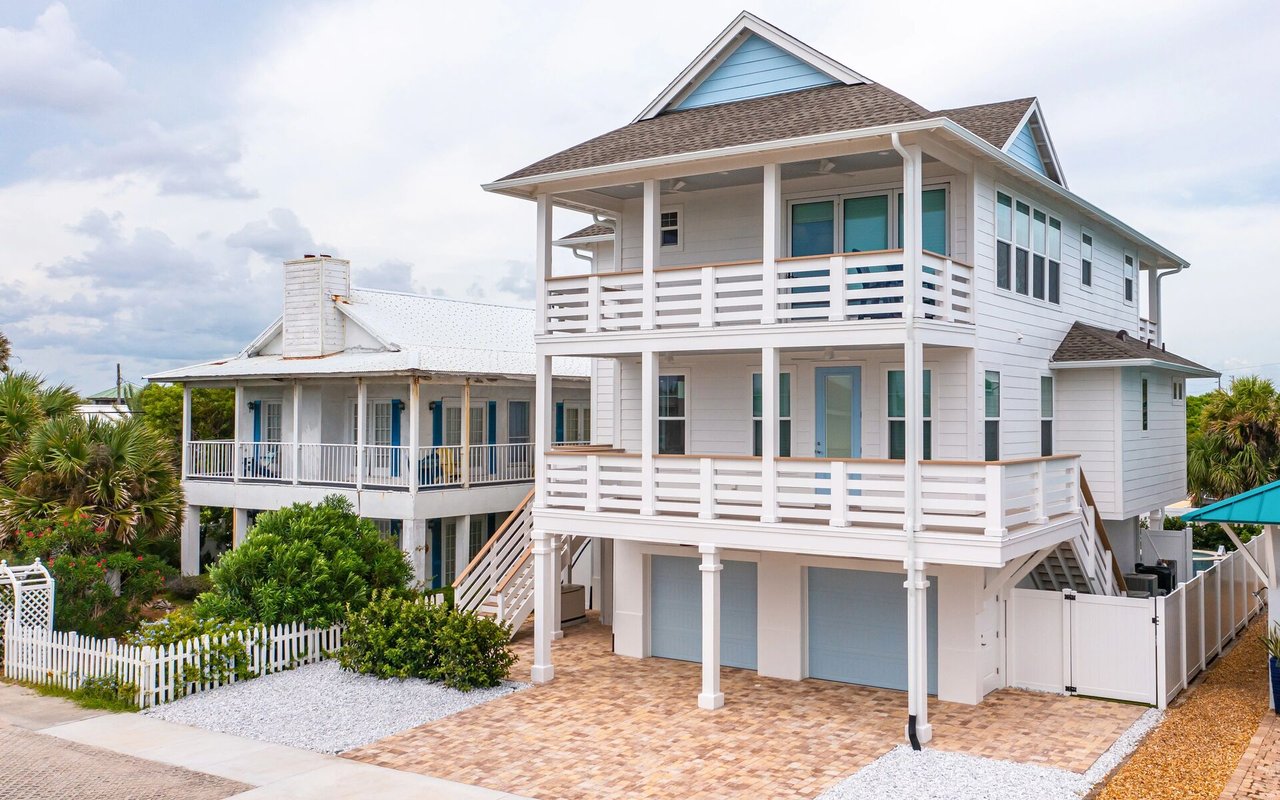
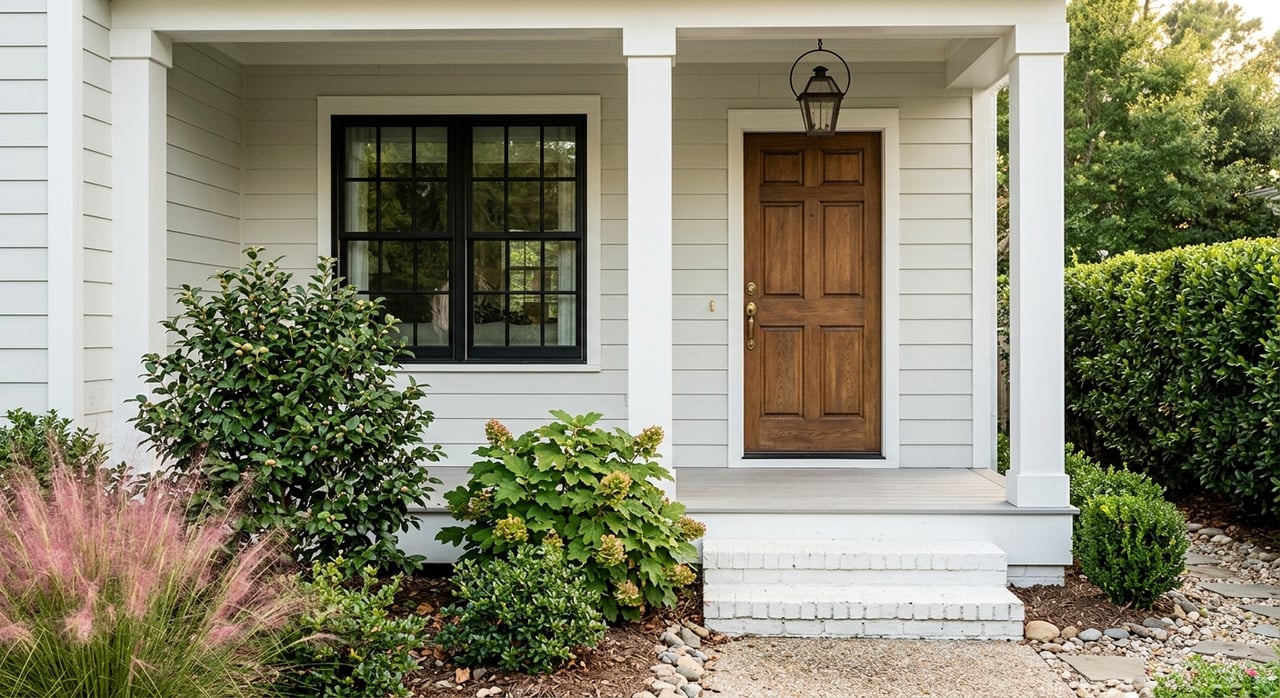
New Bern Home Styles to Know
When you buy in New Bern, you are usually comparing three overlapping lifestyle choices rather than one simple type of neighborhood. Understanding those choices can help you narrow your search faster.
Historic downtown and core areas
If you love architecture, walkability, and a strong sense of place, the historic core is often where your search begins. New Bern has more than 150 sites listed on the National Register of Historic Places, along with four National Historic Districts and two local historic districts.
The Downtown and Riverside districts are especially important for buyers because local historic district rules can affect what you can change on the exterior of a home. In these areas, the Historic Preservation Commission reviews exterior changes, additions, infill development, major landscaping projects, and demolition.
Downtown also has a mixed-use feel that sets it apart from a typical subdivision. The city notes that the downtown historic area includes both commercial and residential uses, including apartments and condos above businesses, which can appeal to buyers who want a more connected, in-town lifestyle.
Waterfront and boating-focused homes
If your dream is to be near the water, New Bern gives you more than one way to do it. Some buyers focus on true waterfront homes, while others look for properties near public launches, marinas, or parks with river access.
Union Point Park is one of the clearest examples of how public water access supports the local lifestyle. It sits at the meeting point of the two rivers and includes two boat launches, a fishing pier, and a walkway connection to Bicentennial Park.
New Bern also has a strong marina network for a city its size. Local visitor resources list multiple marinas, including New Bern Grand Marina & Yacht Club, New Bern Yacht Club, River Station Marina, Galley Stores & Marina, and Northwest Creek Marina.
Newer-growth and low-maintenance options
New Bern is not only about older homes and historic streetscapes. The city has seen newer residential development as well, especially in areas like the Thurman Road district and in western parts of the city where there is still room for growth.
These areas can appeal to buyers who want a more conventional neighborhood layout or a lower-maintenance home. Local visitor materials also point to condos, bungalows, master-planned golf communities, and maintenance-free options as part of the city’s housing mix.
Older Homes vs Newer Homes
One of the biggest decisions you may face in New Bern is whether to buy for charm, convenience, or a blend of both. Neither option is automatically better. It depends on how you want to live and what kind of upkeep you are prepared to manage.
What to expect with older homes
Older homes often offer details you simply cannot recreate easily, along with central locations and proximity to downtown amenities. If you want character and a strong connection to New Bern’s history, these homes can be very appealing.
Still, older homes usually require more due diligence. In local historic districts, future exterior updates may be reviewed by the Historic Preservation Commission, so it is smart to ask early about restrictions on projects like windows, siding, fences, additions, or landscaping.
Location also matters. The city identifies some of its most desirable low-lying places, including the downtown historic district and waterfront yacht basins, as areas that can be more flood-sensitive.
What to expect with newer homes
Newer homes often appeal to buyers who want fewer immediate renovation decisions and a more straightforward ownership experience. You may also find neighborhood layouts and home features that feel more familiar if you are moving from a suburban market.
For many buyers, the biggest benefit is simplicity. A newer property may involve less historic review, less maintenance pressure at move-in, and a layout that better matches today’s preferences.
That said, the right fit depends on your goals. If your priority is a lock-and-leave lifestyle or a home that feels more turnkey, newer construction or low-maintenance options may deserve a close look.
Flood Risk Matters in New Bern
If you are buying in New Bern, flood review should be part of your plan from the start. This is one of the most important local due diligence steps, especially if you are considering waterfront, river-adjacent, or low-lying historic-core properties.
Craven County states that the main flood sources are storm surge and riverine flooding. City planning and emergency materials also note that tropical-system flooding has historically affected low-lying areas, including the downtown historic district, waterfront yacht basins, and critical infrastructure.
This does not mean you should avoid these areas automatically. It means you should evaluate each property carefully and understand how location, elevation, drainage, and flood history may affect your risk, costs, and comfort level.
What buyers should verify
Before you make an offer, it is wise to review both county flood resources and the city GIS map layers. This matters whether you are looking at a historic home near downtown, a riverfront property, or a home that simply feels close to water.
You will also want to budget for the possibility of flood insurance. Craven County notes that a standard homeowner’s policy likely does not cover flood losses, and the county participates in the National Flood Insurance Program.
There is one helpful cost note for buyers here. Craven County says property owners currently qualify for a 10% reduction in flood insurance premiums because the county is rated as a Class 8 in the Community Rating System.
Costs to Factor Into Your Budget
A smart New Bern home search is not only about purchase price. It is also about understanding the ongoing costs that may come with a specific location or property type.
Craven County lists the FY 2025-2026 property tax rate at $0.4448 per $100 of assessed value, with taxes due September 1. That gives you a local baseline for tax planning as you compare homes.
If you are focusing on downtown, ask whether the property falls inside the Municipal Service District. City agenda materials note that downtown improvements are funded through this district tax, so buyers should verify whether any added charges apply.
For homes in flood-prone locations, flood insurance may also become a key part of your monthly ownership cost. In some cases, that can shape how affordable a home feels long term, even if the initial list price looks attractive.
How to Match New Bern to Your Lifestyle
The best home in New Bern is the one that fits how you want to spend your time. That is why it helps to think beyond square footage and focus on your day-to-day routine.
Best fit for walkability
If you want to be close to restaurants, boutiques, parks, and public waterfront spaces, downtown is usually the strongest fit. The mix of residential and commercial uses gives this area a more active, connected feel than many newer neighborhoods.
Best fit for boating and river access
If boating, fishing, kayaking, or marina access matter most, New Bern offers several ways to enjoy the water. You can compare true waterfront homes, homes near marinas, and properties that rely on public launch access instead of private docks.
Best fit for easier upkeep
If you want charm without the heavier maintenance profile that can come with an older historic home, look at condos, bungalows, and newer-growth areas. These can offer a simpler ownership experience while still keeping you connected to what makes New Bern special.
A Practical Buying Strategy
New Bern gives you choices, but those choices come with tradeoffs. The key is to stay clear on what matters most before you fall in love with a particular address.
A simple way to approach your search is to rank these priorities first:
- Walkability and historic character
- Water views or boating access
- Lower maintenance and fewer renovation needs
- Budget flexibility for taxes and insurance
- Comfort with historic district review rules
- Flood-risk tolerance and long-term carrying costs
Once you know your priorities, you can compare homes more clearly and avoid wasting time on properties that do not match your lifestyle. That is especially helpful in a market like New Bern, where a charming downtown home and a newer low-maintenance property can offer very different ownership experiences.
If you are planning a move to New Bern and want clear, local guidance on where to start, Alexis Allen can help you narrow your options and make a confident plan.
FAQs
What should buyers know about historic district rules in New Bern?
- In New Bern’s local historic districts, the Historic Preservation Commission reviews exterior changes, additions, infill development, major landscaping projects, and demolition.
How important is flood risk when buying a home in New Bern?
- Flood risk is a major due diligence item in New Bern, especially near the riverfront and in low-lying downtown areas where Craven County and city materials note storm surge, riverine flooding, and tropical-system flooding concerns.
What types of homes can buyers find in New Bern?
- Buyers can find historic homes, downtown condos, bungalows, waterfront properties, master-planned golf community homes, and newer low-maintenance options.
Are there extra costs for downtown New Bern homes?
- Some downtown properties may be located in the Municipal Service District, so buyers should verify whether any additional district-related charges apply.
Does a homeowner policy cover flood damage in New Bern?
- Craven County says a standard homeowner’s policy likely does not cover flood losses, so buyers should review whether flood insurance may be needed for the property they are considering.